FSU-HuME Joint Conference

Relations and Elements

November 20, 2026 – Milano, Italy

The Structure Before the Tokens

Neural Language Models and the Renewal of the Structuralist Hypothesis

Gianni Gastaldi

ETH Zürich Sorbonne Université

www.giannigastaldi.com

1. The structuralist hypothesis

  • 1. The structuralist hypothesis
  • 2. The generative revolution
  • 3. Neural language models and the distributional hypothesis
  • 4. But what structure?
  • 5. Structuralism and formalism
  • Conclusion

Il n’y a pas de “philosophie” du langage.
Il n’y a que la linguistique.

Louis Hjelmslev, Principes de grammaire générale (1928)

The structuralist credo: Relations over entities

Hjelmslev (1961)

“A totality does not consist of things but of relationships”

Lévi-Strauss (1964)

“Two syntagmatic chains, or fragments of the same chain, which, taken separately, offered no definite meaning, acquire one from the mere fact that they are opposed”

Ducrot (1968)

“Either one starts from the system, or one never finds the elements”

Sperber (1968)

“It is the relations between the elements, and not the elements themselves, that define the structure”

Wahl (1968)

“There are not first signs, but always first languages, that is to say a structure”

How Do We Recognize Structuralism?

“The elements of a structure have neither extrinsic designation nor intrinsic signification. (…) They have nothing but a sense: a sense which is necessarily and uniquely one of ‘position’.”

“Places in a purely structural space are primary in relation to the things and real beings that come to occupy them.”

Deleuze (2002, p. 243)

“It is right to assign linguistics as the origin of structuralism: not only Saussure, but the Moscow school, the Prague school.”

Deleuze (2002, p. 239)

Saussure: Differences without positive terms

“It is a great illusion to consider a term simply as the union of a certain sound with a certain concept. (…) it would be to believe that one can start from the terms and build the system by adding them up, whereas, on the contrary, one must start from the interdependent whole to obtain by analysis the elements it contains.” (157)

  • “In language there are only differences without positive terms” (166)
  • Concepts: “their most exact characteristic is to be what the others are not” (162)
  • No simples: language is “an algebra that would have only complex terms” (168)
  • Manuscripts: not terms “like chemical species”, but “determinate differences between terms that would be empty and indeterminate without these differences” (ELG, 64)

CLG: Saussure (1972) · ELG: Saussure (2002)

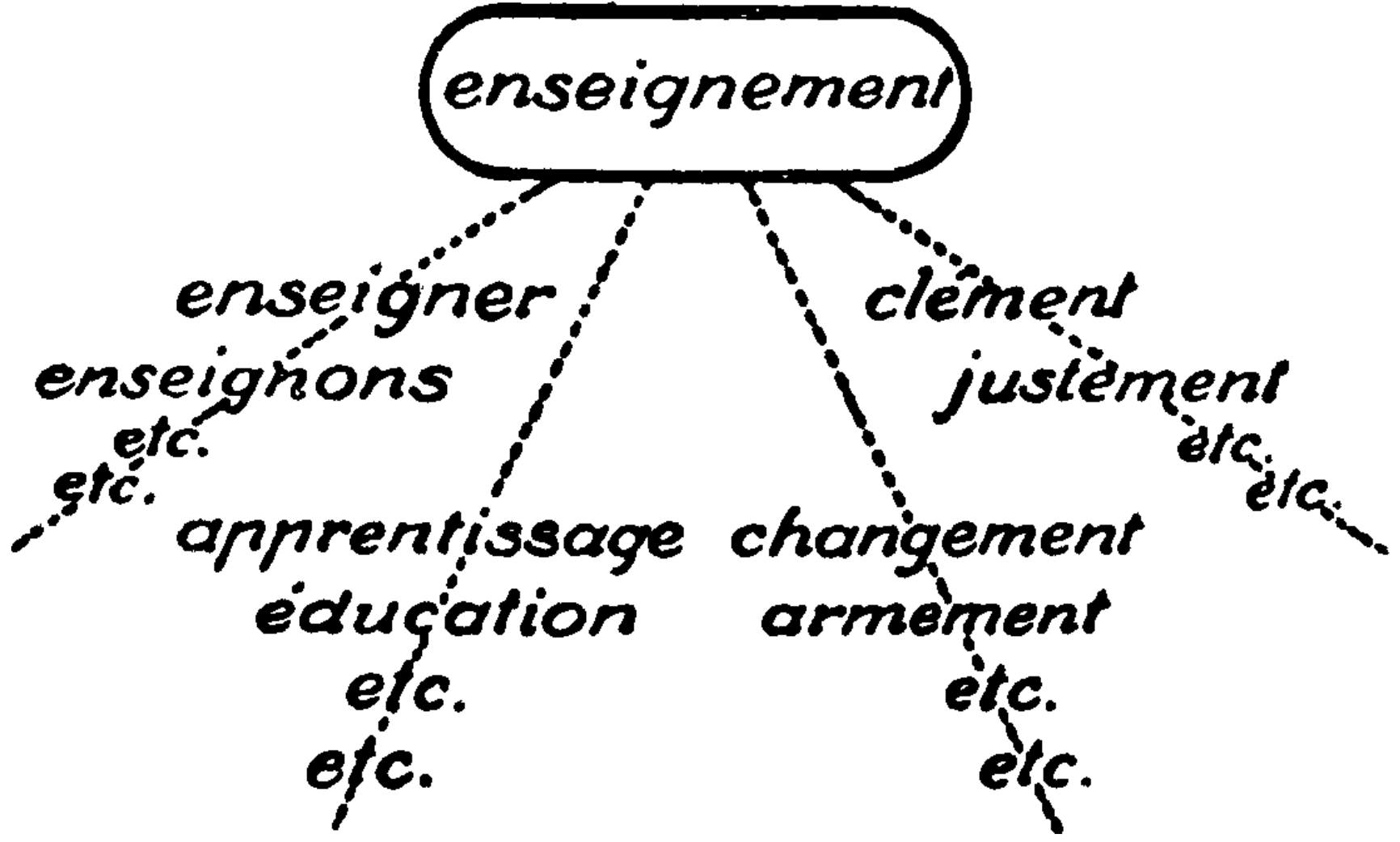
The concrete problem of units

weekend – weak end

ice cream – I scream

new direction – nude erection

Poor old Dali loped with an amazin’ raging cyst,
as poor Roald Dahl eloped with Anna-May’s enraging sisters.

les dents, la bouche

les dents la bouchent

l’aidant la bouche

laides en la bouche

lait dans la bouche

…

Specificity of Linguistics as a Science

“Language then has the strange, striking characteristic of not having entities that are perceptible at the outset and yet of not permitting us to doubt that they exist and that their functioning constitutes it. Doubtless we have here a trait that distinguishes language from all other semiological institutions.”

Saussure (1959, p. 107)

From Identity to Value

  • The problem of units is raised to the more fundamental problem of identity
    • E.g.: what is the identity of “8:25 p.m. Geneva-to-Paris train”?
  • In language the identity of units is not material
  • What kind of ideality?
    • “The linguistic mechanism is geared to differences and identities, the former being only the counterpart of the latter.” (CGL, p. 108)
    • Formal rather than ideal: “Linguistics then works in the borderland where the elements of sound and thought combine; their combination produces a form, not a substance” (CGL, p. 113)
    • As pure differential (formal) realities, the identity of units is that of values

Signs as Values

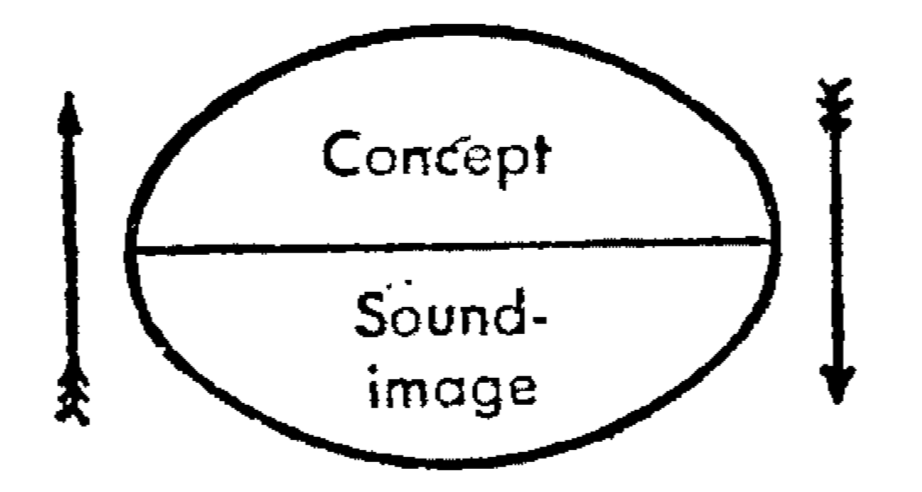
Signifier and Signified

“I call the combination of a concept and a sound image a sign…”

“I propose to retain the word sign to designate the whole and to replace concept and sound-image respectively by signified [signifié] and signifier [signifiant]”
2. The generative revolution

  • 1. The structuralist hypothesis
  • 2. The generative revolution
  • 3. Neural language models and the distributional hypothesis
  • 4. But what structure?
  • 5. Structuralism and formalism
  • Conclusion

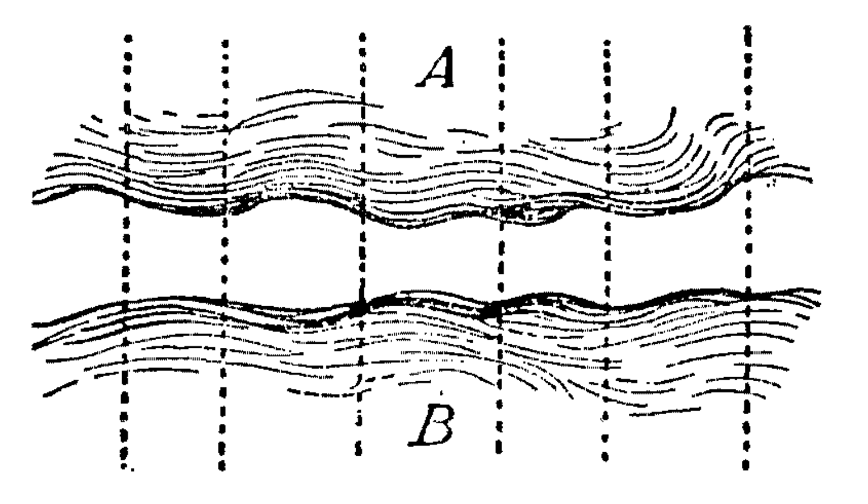
Chomsky’s structuralism

“We might consider assigning elements to the same category only if they have all contexts in common (i.e., are mutually substitutable in all sentences), if they share some context, or if the ancestral of this latter relation holds between them.”

Chomsky (1953)

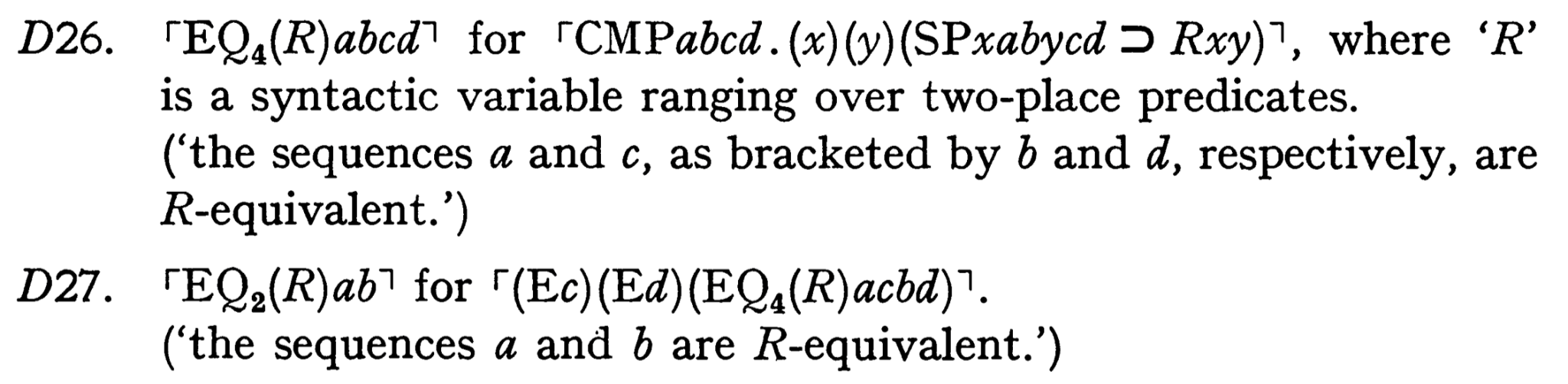
A constructional system: definitions
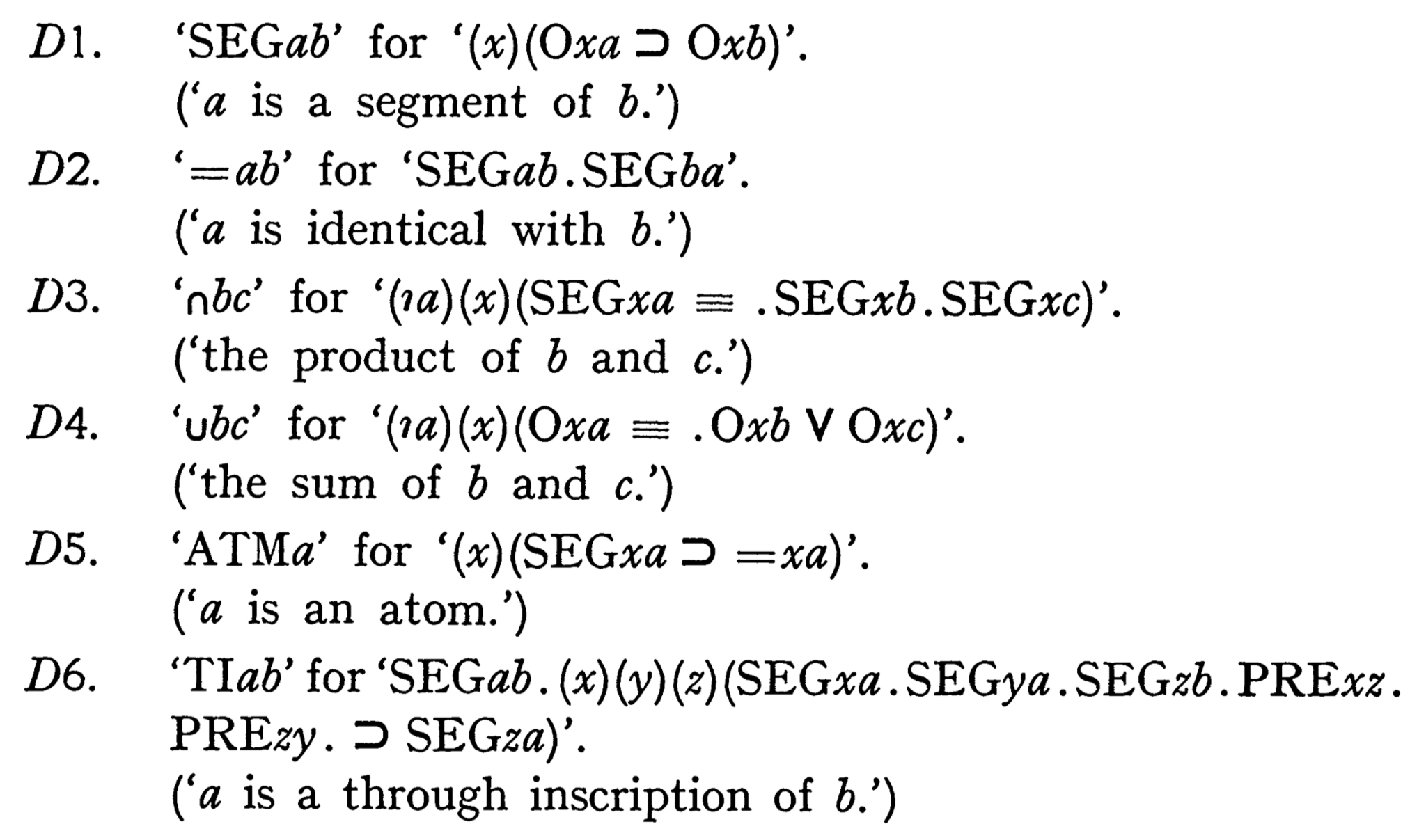
Chomsky (1953)

A constructional system: discontinuity and context
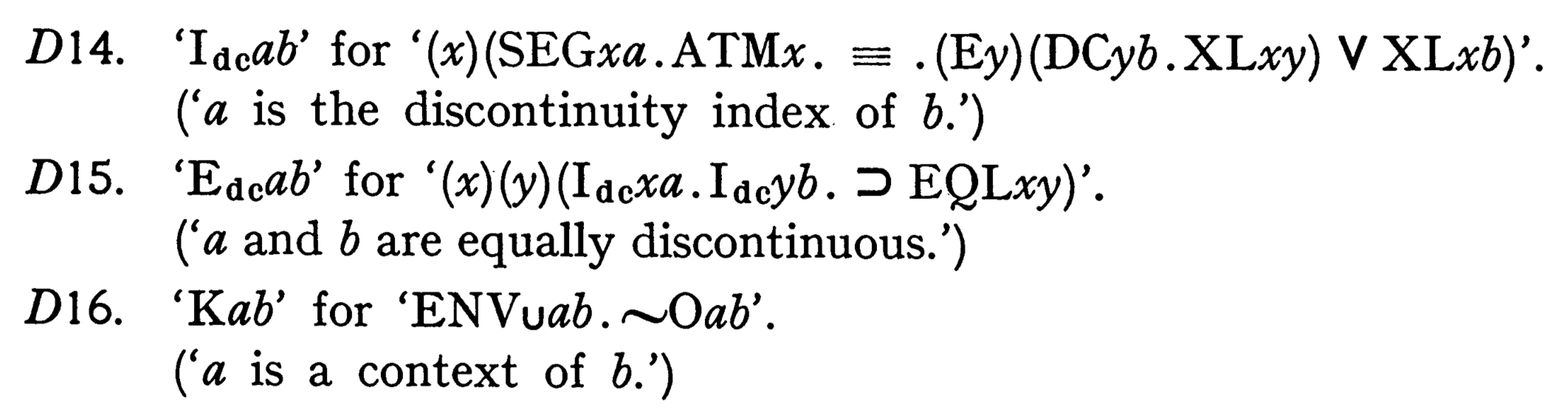
Chomsky (1953)

A constructional system: axioms
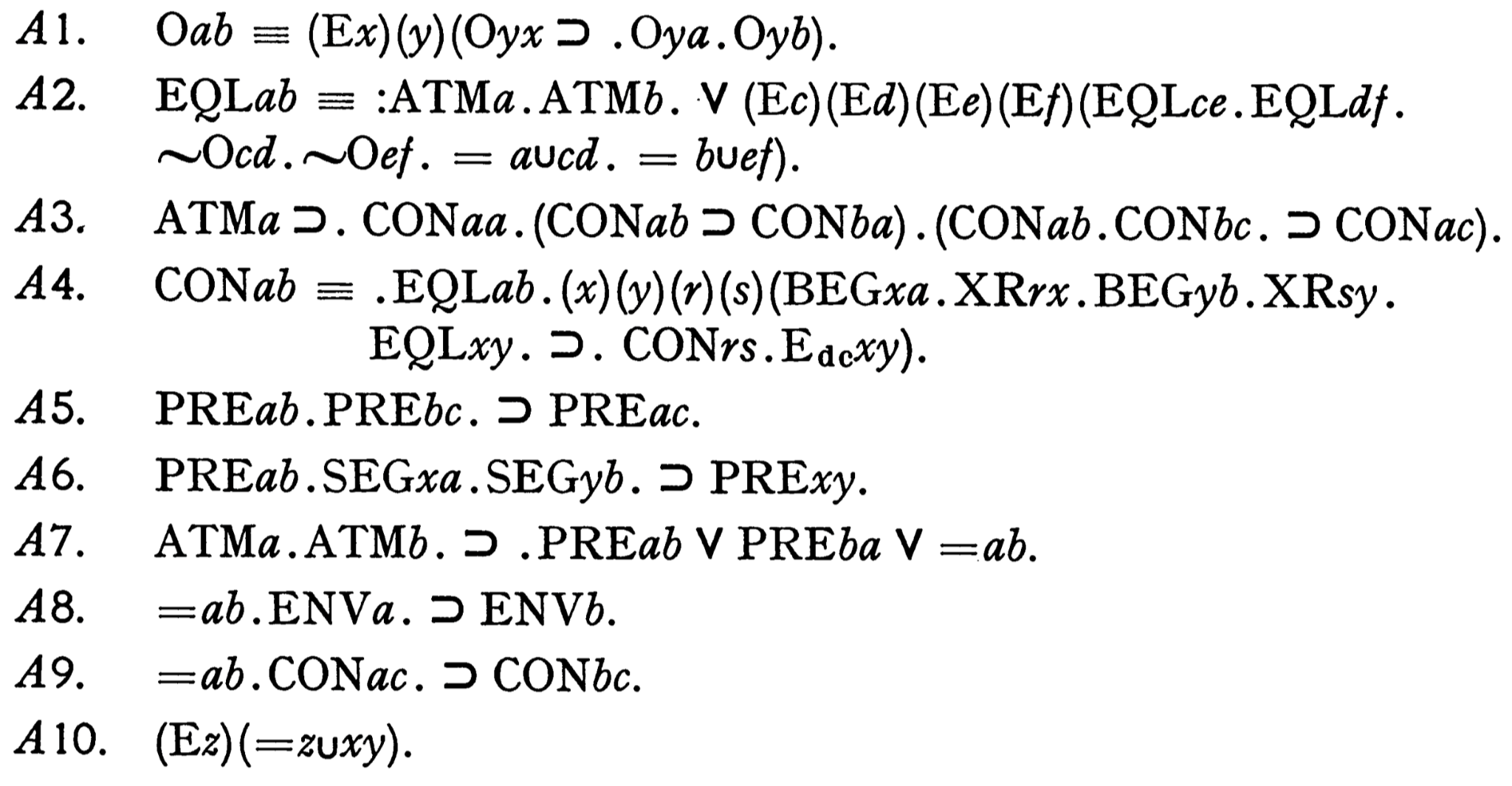
Chomsky (1953)

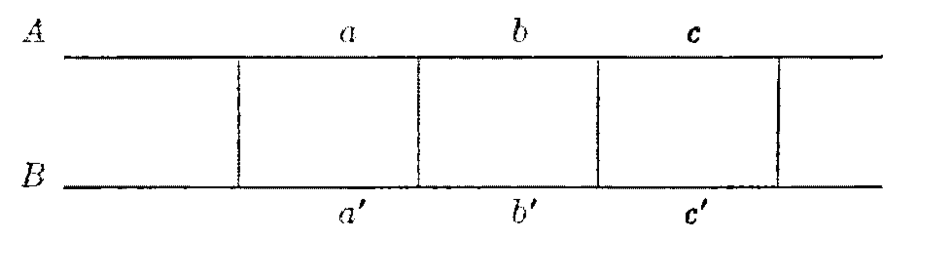
Equivalence of sequences

Chomsky (1953)

Syntactic categories

Chomsky (1953)

Syntactic categories: an example

S1: (a, c), (d, f)
S2: (a…d, c…f)
S3: (x, y)

Adequacy and kinds of language

The preceding discussion probably does not exhaust the constructional possibilities within the limits of this general program, but until a more refined set of criteria of adequacy is given, and along with it, a refined analysis of kinds of language, it seems premature to enter into an exhaustive analysis of all possible systems of this general form.

Chomsky (1953, p. 256)

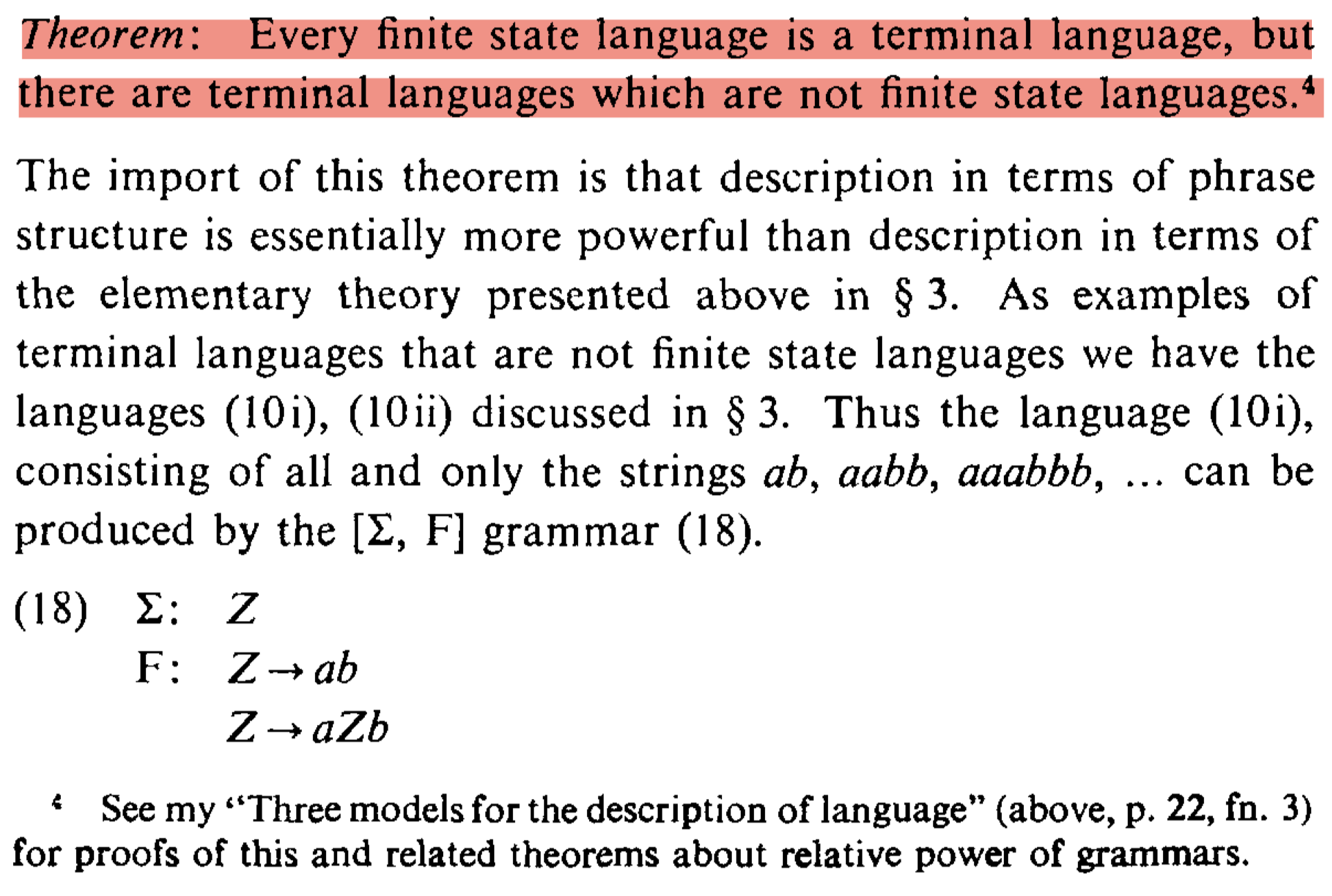
Chomsky’s theorem

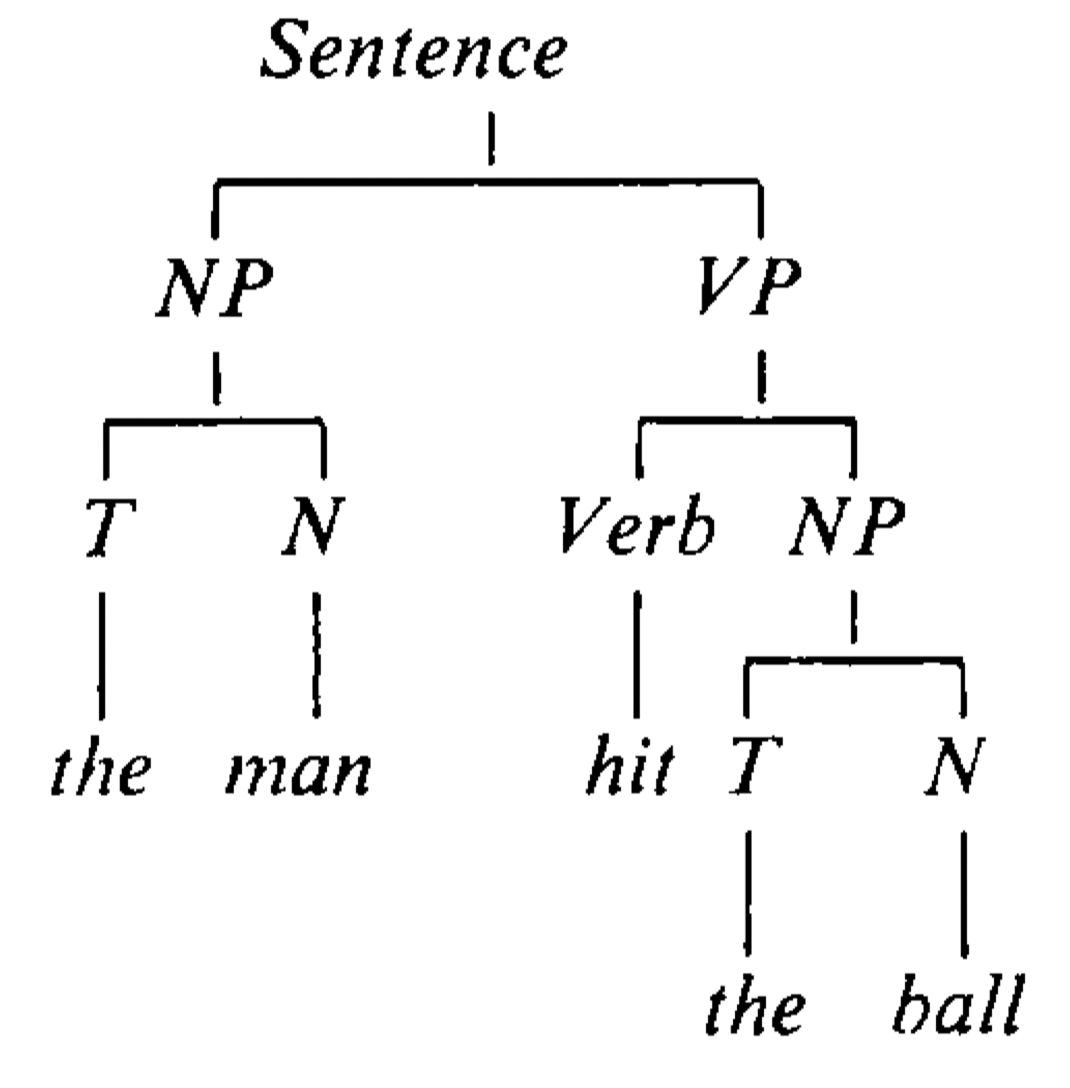
Chomsky vs. structuralism
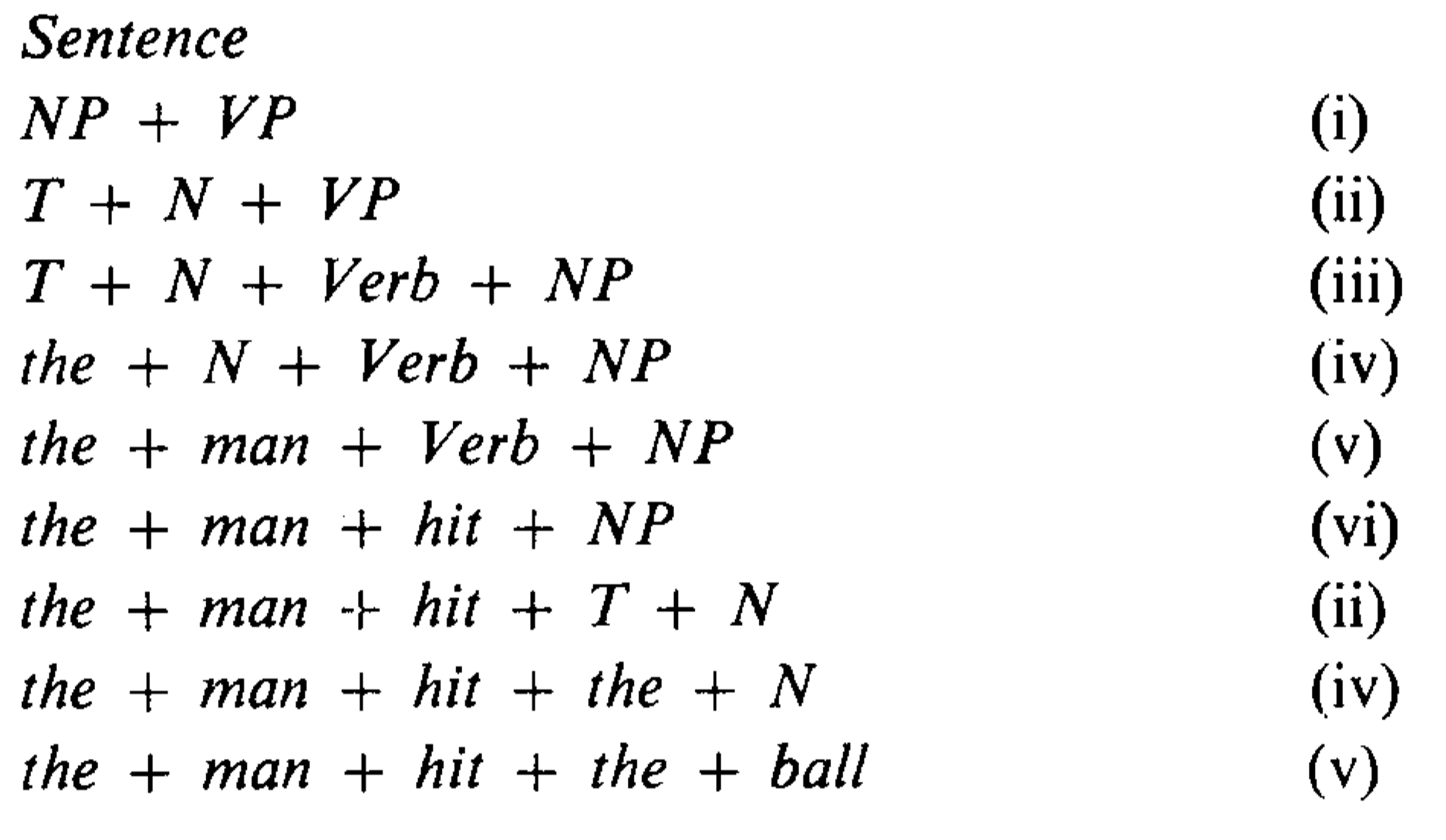
Chomsky (1957, p. 27)

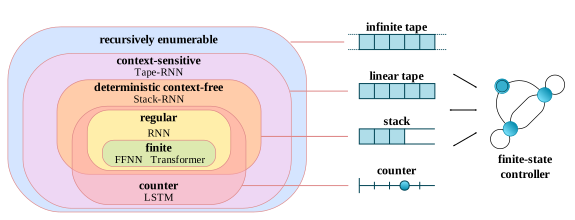
The Chomsky hierarchy
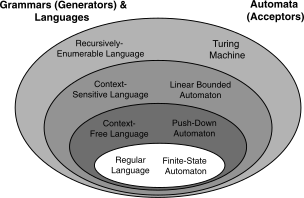
Fitch (2014)

Entities over relations
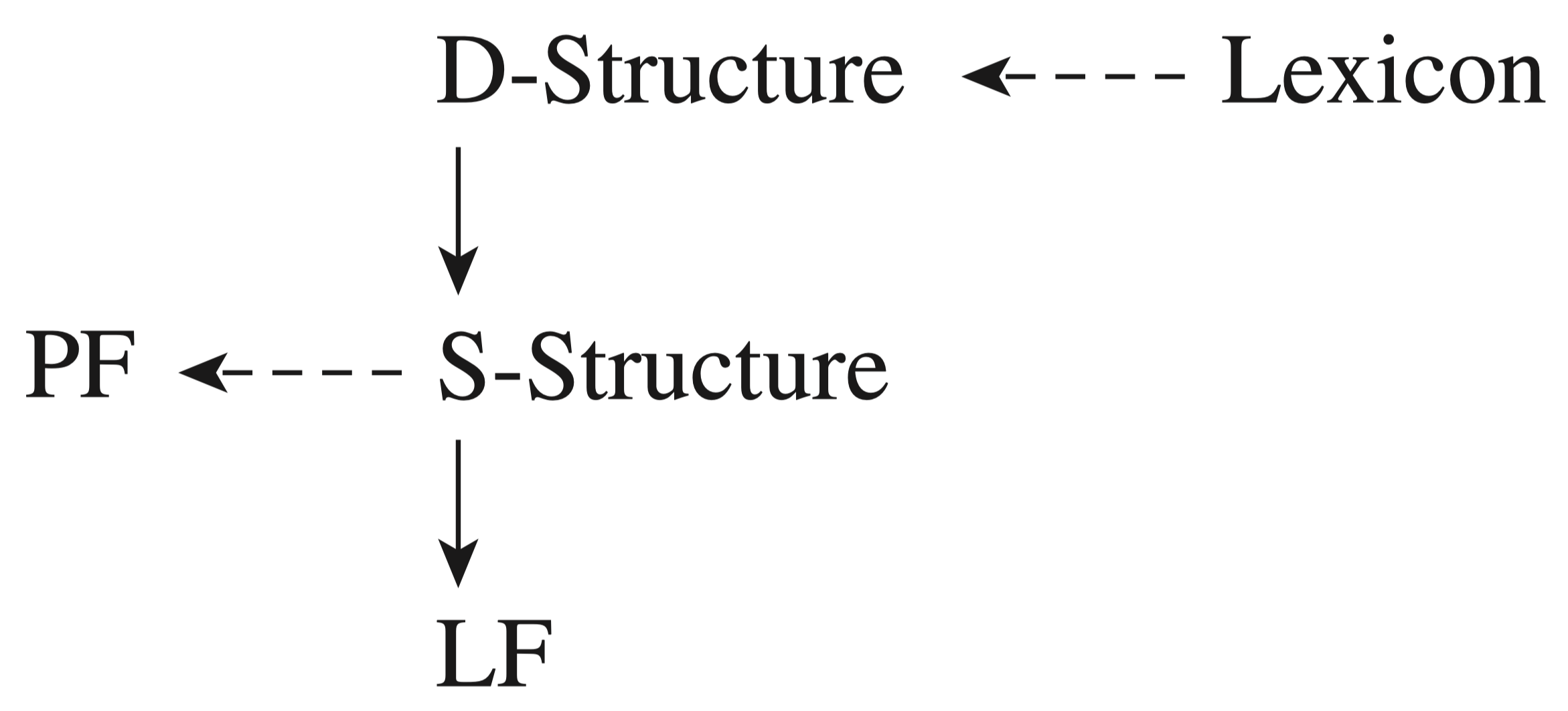
Chomsky (1995, p. 19)

“For each particular language, the cognitive system, we assume, consists of a computational system CS and a lexicon. The lexicon specifies the elements that CS selects and integrates to form linguistic expressions—(PF, LF) pairings, we assume. The lexicon should provide just the information that is required for CS, without redundancy and in some optimal form, excluding whatever is predictable by principles of UG or properties of the language in question. Virtually all items of the lexicon belong to the substantive categories, which we will take to be noun, verb, adjective, and particle, putting aside many serious questions about their nature and interrelations.”

Chomsky (1995, p. 6)

3. Neural language models and the distributional hypothesis

  • 1. The structuralist hypothesis
  • 2. The generative revolution
  • 3. Neural language models and the distributional hypothesis
  • 4. But what structure?
  • 5. Structuralism and formalism
  • Conclusion

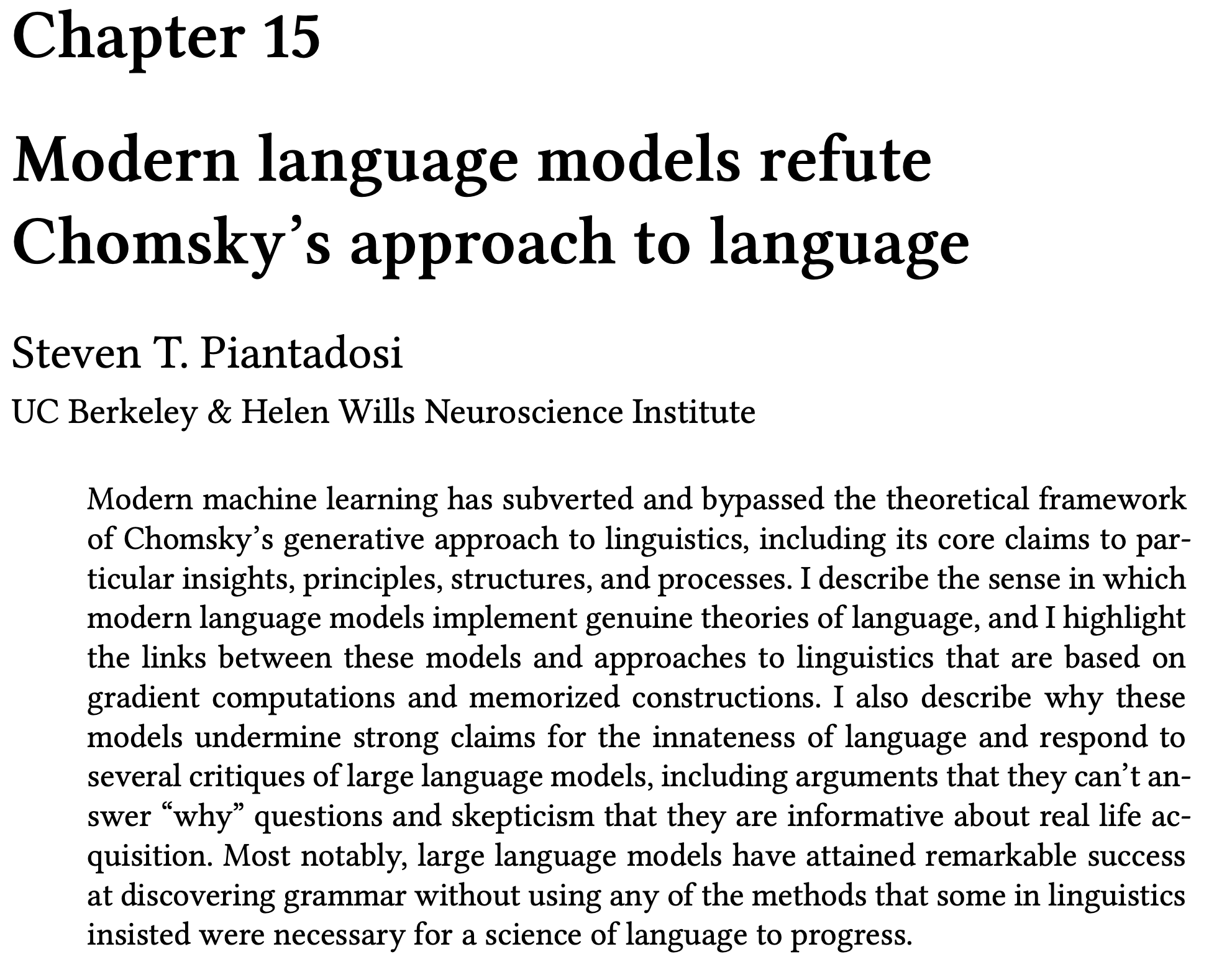
LLMs vs Chomsky

Chomsky vs LLMs

Neural networks and the Chomsky hierarchy
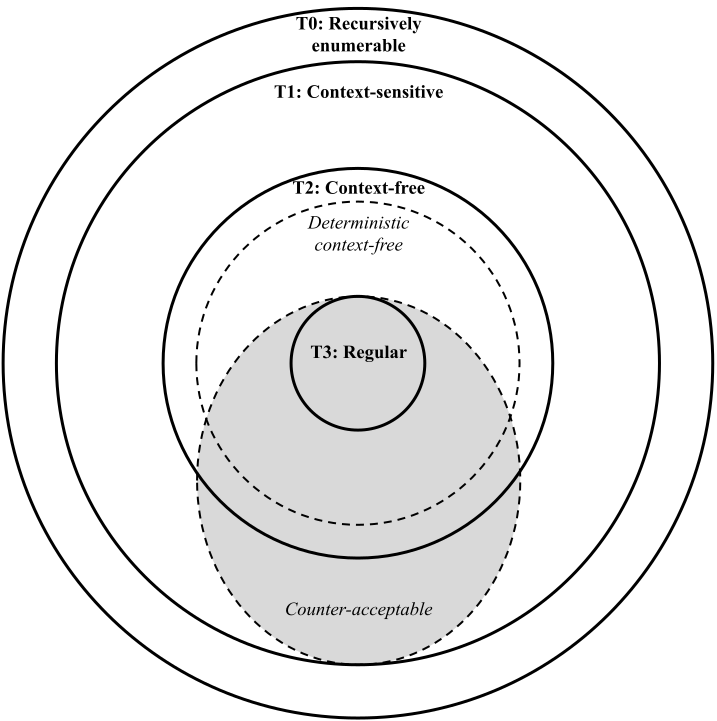
Merrill (2021)

Delétang et al. (2023)

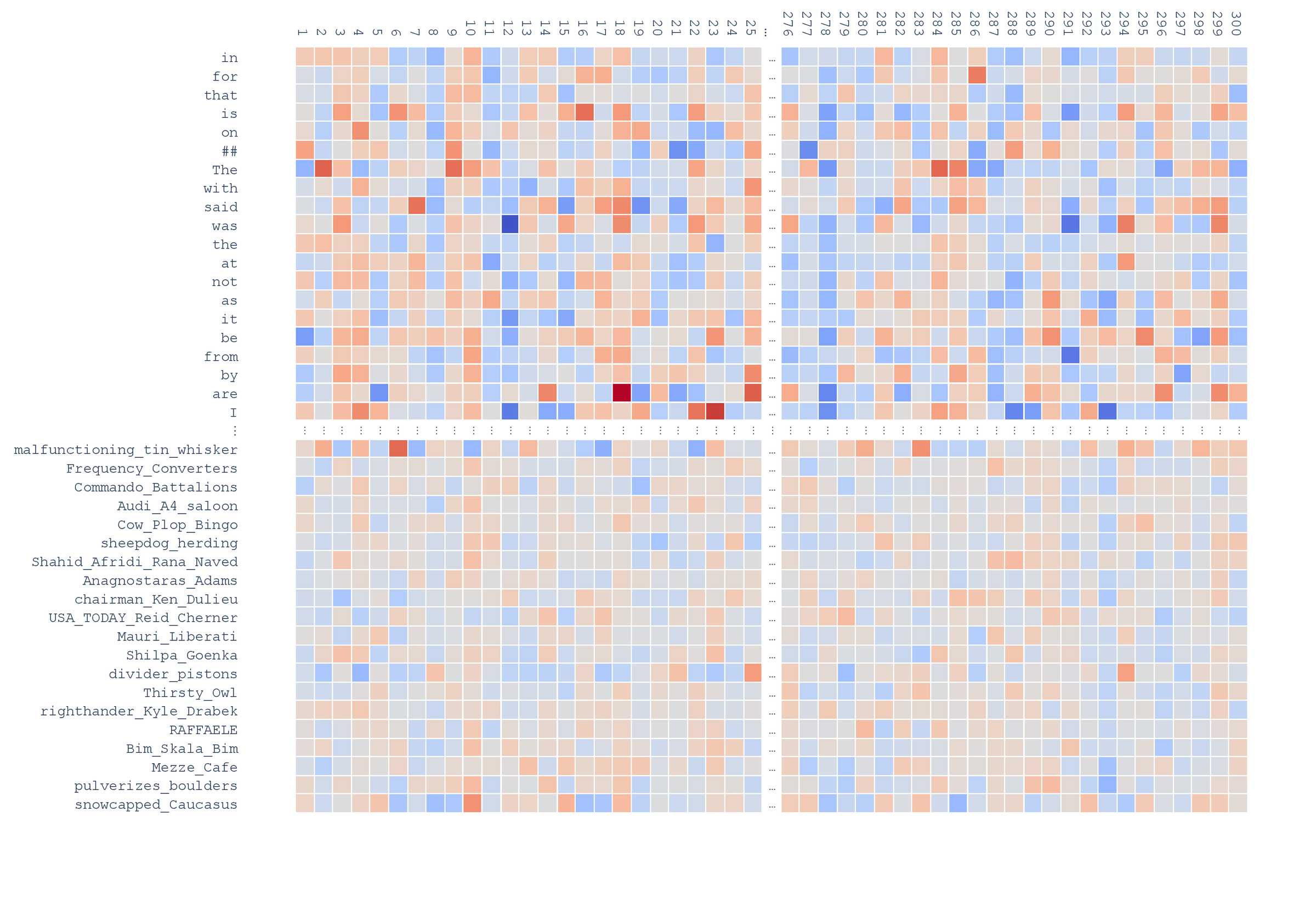
Inside an LLM

(Sennrich et al., 2016) (Mikolov, Sutskever, Chen, Corrado, & Dean, 2013) (Vaswani et al., 2017)

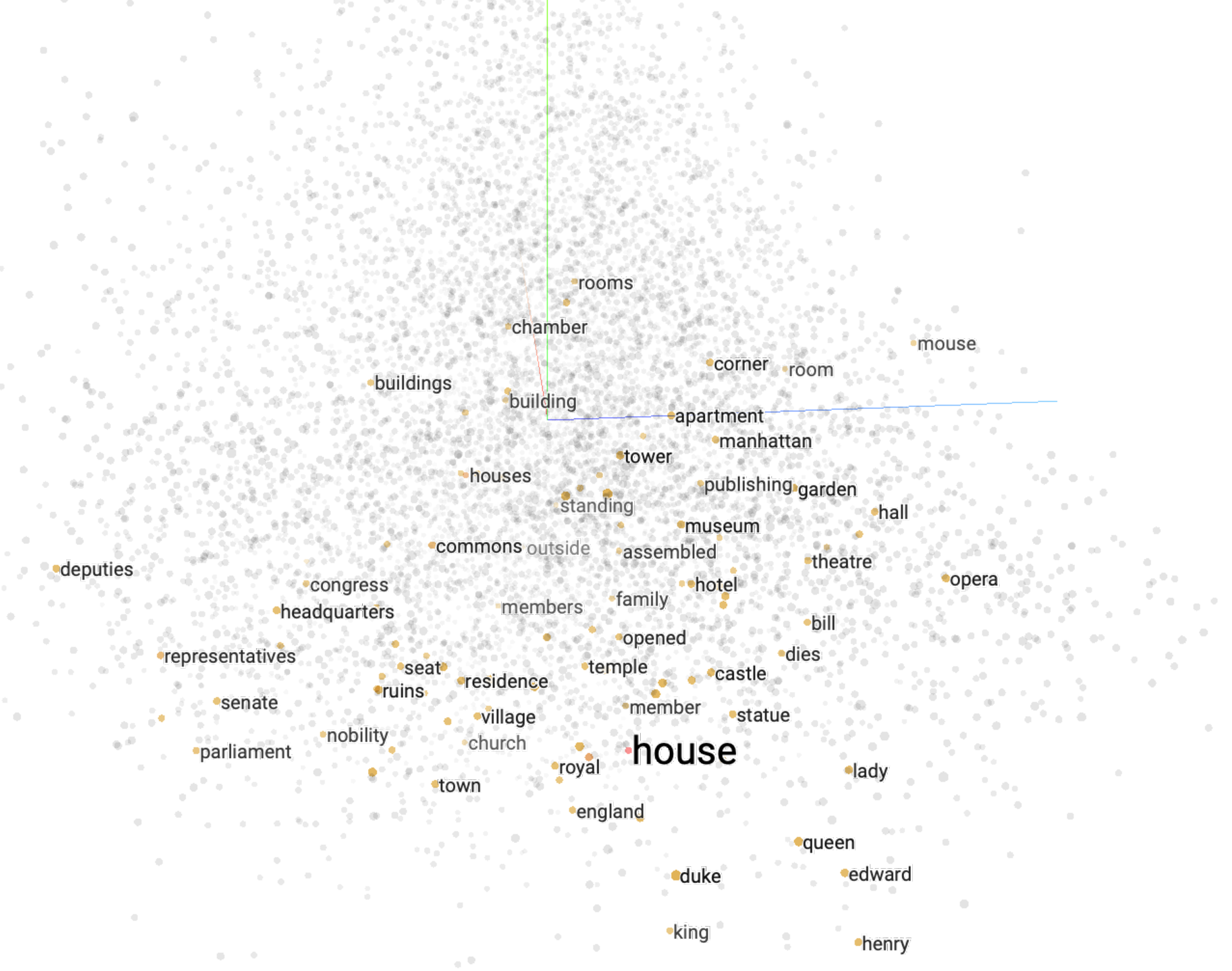
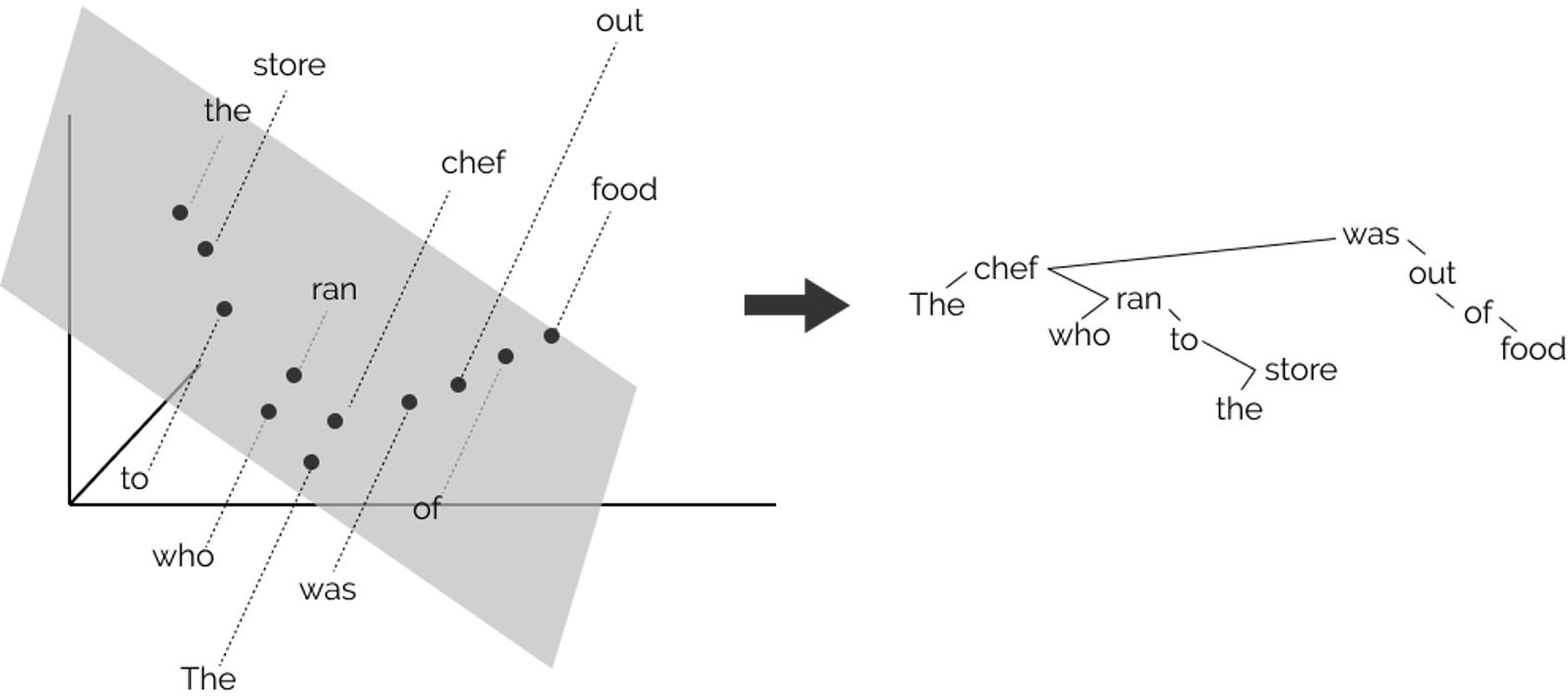
Neural word embeddings

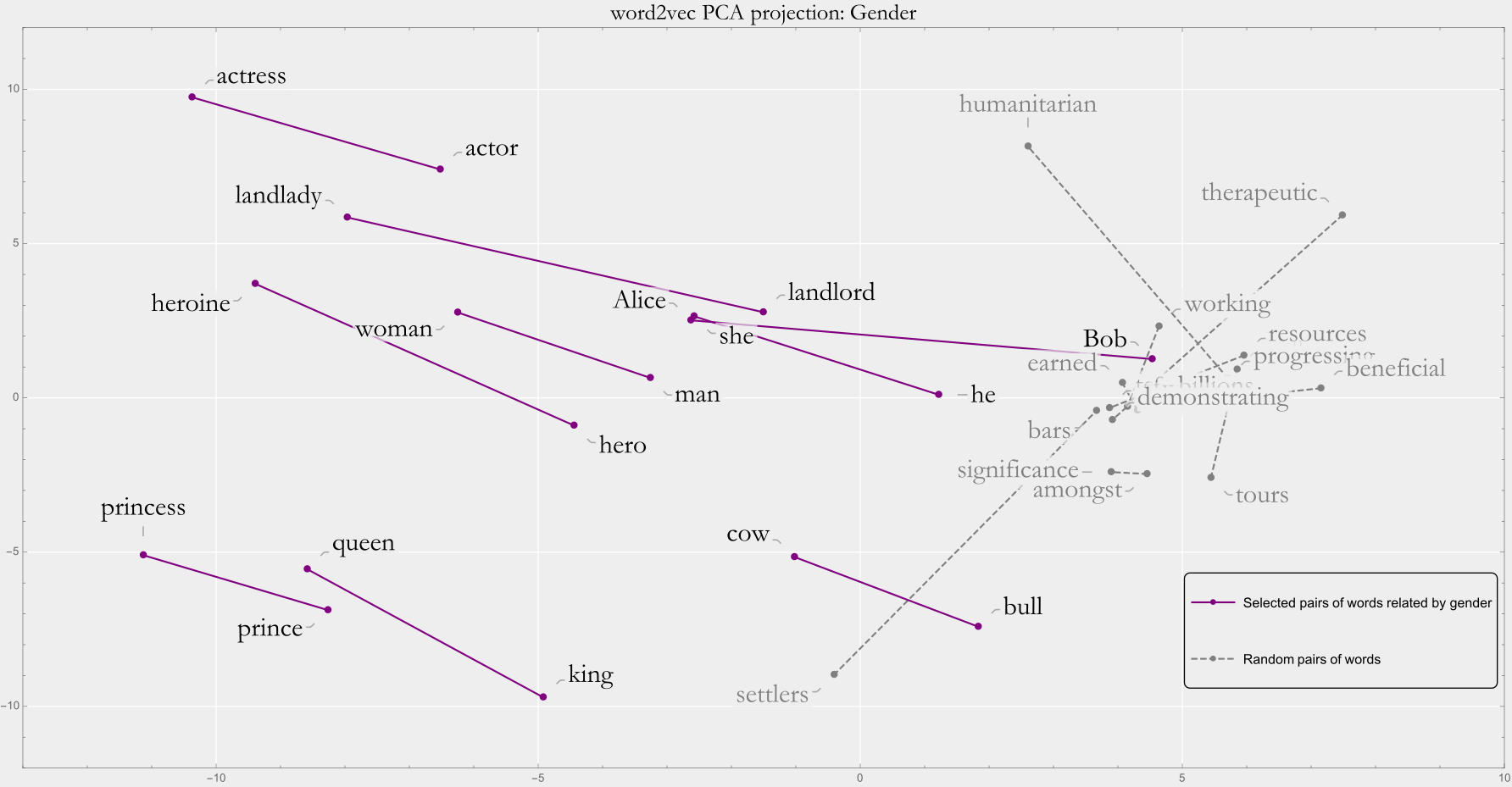
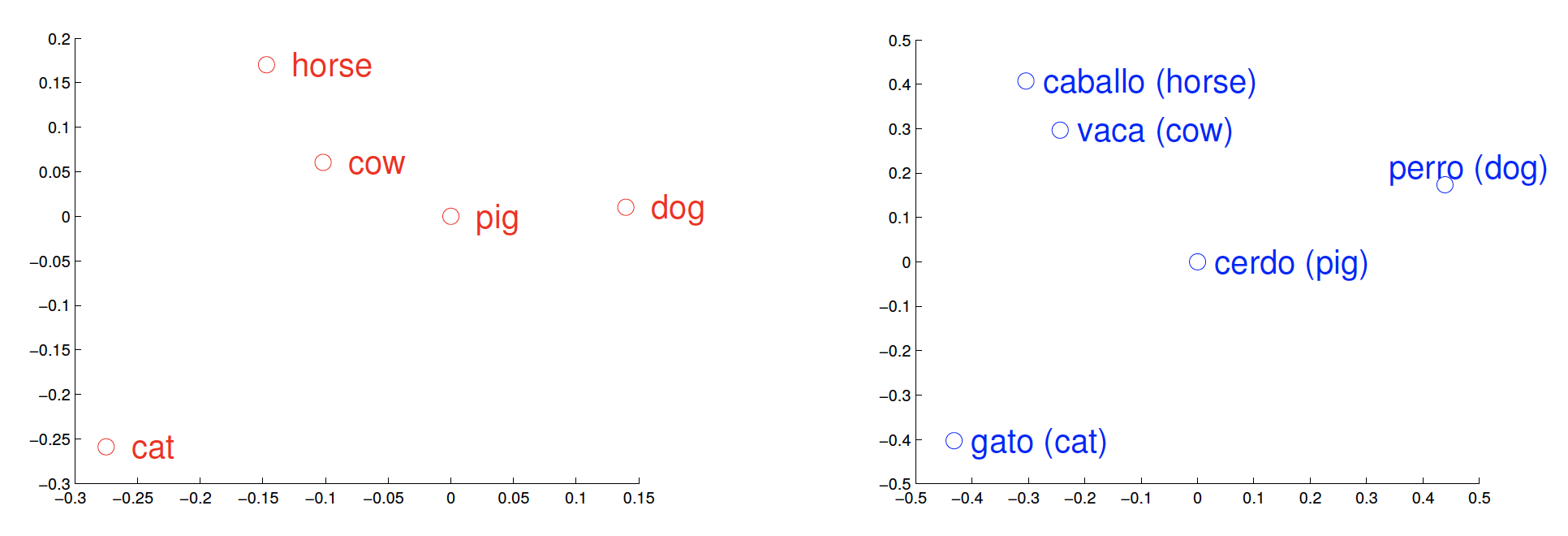
Embeddings: Similarity and Analogy

Embeddings: Other Applications
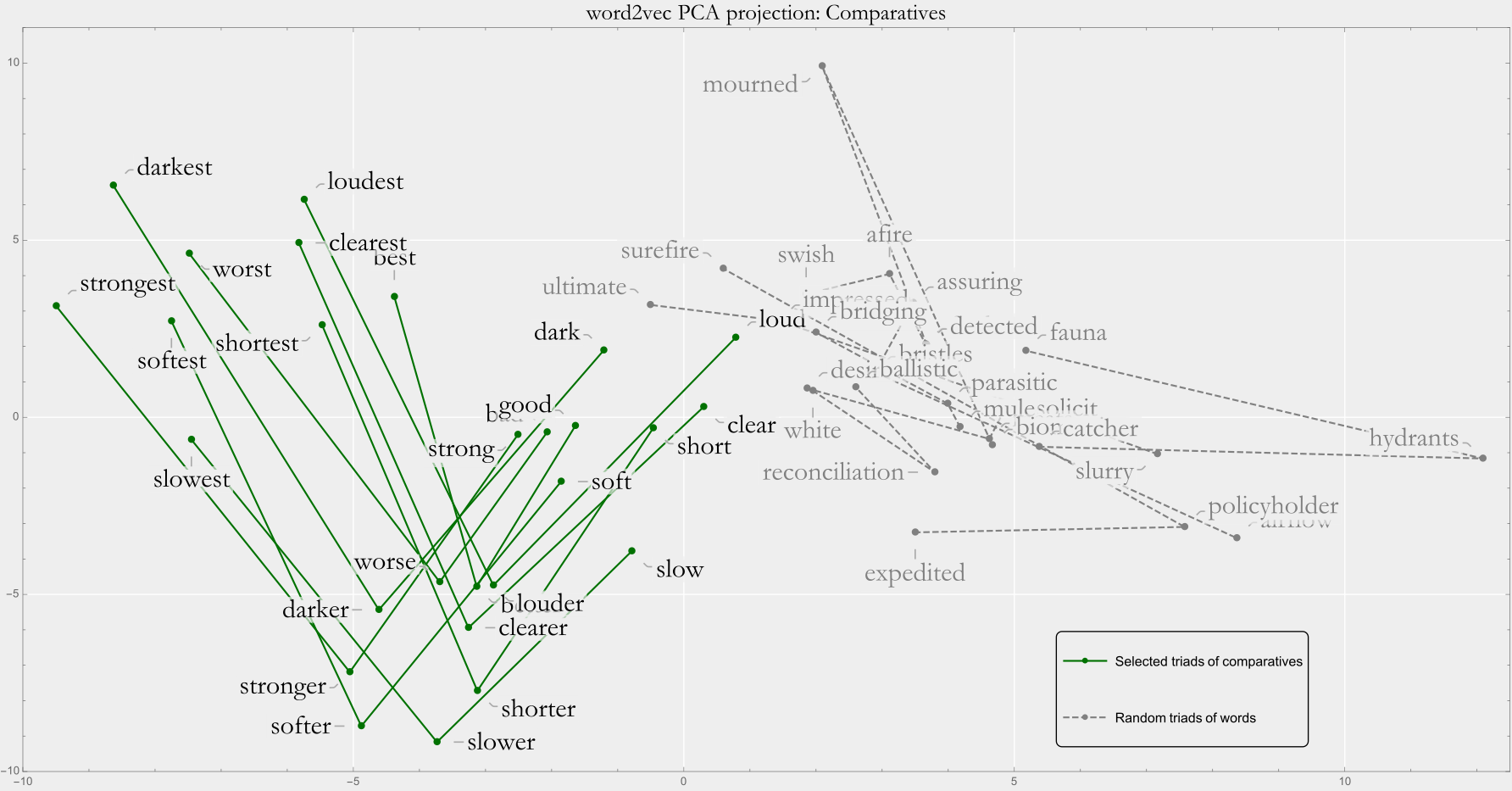
Mikolov, Sutskever, Chen, Corrado, Dean, Le, et al. (2013)

The Distributional Hypothesis

Firth (1957)

“You shall know a word by the company it keeps!”

Rubenstein & Goodenough (1965)

“Words which are similar in meaning occur in similar contexts”

Schütze & Pedersen (1995)

“Words with similar meanings will occur with similar neighbors if enough text material is available”

Landauer & Dumais (1997)

“A representation that captures much of how words are used in natural context will capture much of what we mean by meaning”

Pantel (2005)

“Words that occur in the same contexts tend to have similar meanings”

Lenci (2008)

“The degree of semantic similarity between two linguistic expressions A and B is a function of the similarity of the linguistic contexts in which A and B can appear”

Context and use

  • Theory of (linguistic) meaning as “usage” (Wittgenstein)
    “the meaning of a word is defined by the circumstances of its use” (Manning & Schütze, 1999, p. 17)
  • Two versions of the Distributional Hypothesis:
  • Context: the limited domain or scope within which entities of the same nature can be presented together (“co-occur”), in such a way that they can be associated by a cognitive agent.

word2vec explained (Levy & Goldberg, 2014)

\(\ell = \sum\limits_{w\in V_w} \sum\limits_{c\in V_c} \#(w,c) \left(\log \sigma (\vec{w} \cdot \vec{c} ) + k \cdot \mathbb{E}_{c_N \sim P_D} [\log \sigma(-\vec{w}\cdot \vec{c}_N)]\right)\)

\(\dfrac{\partial \ell }{\partial (\vec{w} \cdot \vec{c})} = 0 \quad\text{when}\quad \vec{w} \cdot \vec{c} = \log \left(\dfrac{\#(w,c) \cdot |D|}{\#(w)\cdot \#(c)}\right) - \log k\)

\(\vec{w} \cdot \vec{c} = {\color{#ff3333}{\mathrm{PMI}(w,c)}} - \log k\)

word2vec performs an implicit, low-dimensional factorization of a pointwise mutual information word-context matrix

The Singular Value Decomposition (SVD) provides an exact solution to this problem

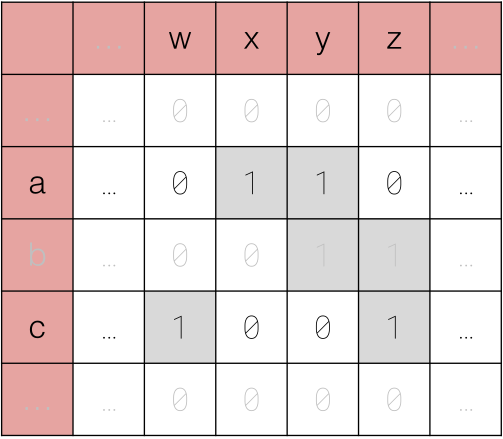
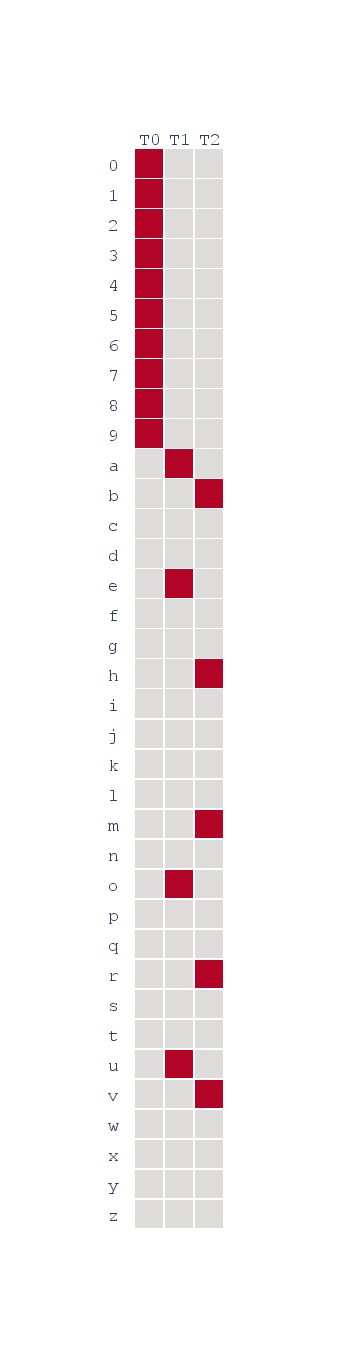
Example: characters in Wikipedia

\(\color{red}{W} = \{\texttt{-},\texttt{/},\texttt{0},\texttt{1},\texttt{2},\texttt{3},\texttt{4},\texttt{5},\texttt{6},\texttt{7},\texttt{8},\texttt{9},\texttt{=},\texttt{a},\texttt{b},\texttt{c},\ldots,\texttt{w},\texttt{x},\texttt{y},\texttt{z},\texttt{é}\}\)
\(\color{blue}{C} = W \times W = \{\texttt{(-,-)},\texttt{(-,/)},\texttt{(-,0)},\ldots,\texttt{(é,z)},\texttt{(é,é)}\}\)

\(\begin{aligned} M_{\color{red}{w}\color{blue}{c}} &= \mathrm{pmi}(\color{red}{w},\color{blue}{c})\\ &= \log \frac{p(\color{red}{w},\color{blue}{c})}{p(\color{red}{w})\,p(\color{blue}{c})} \end{aligned}\)
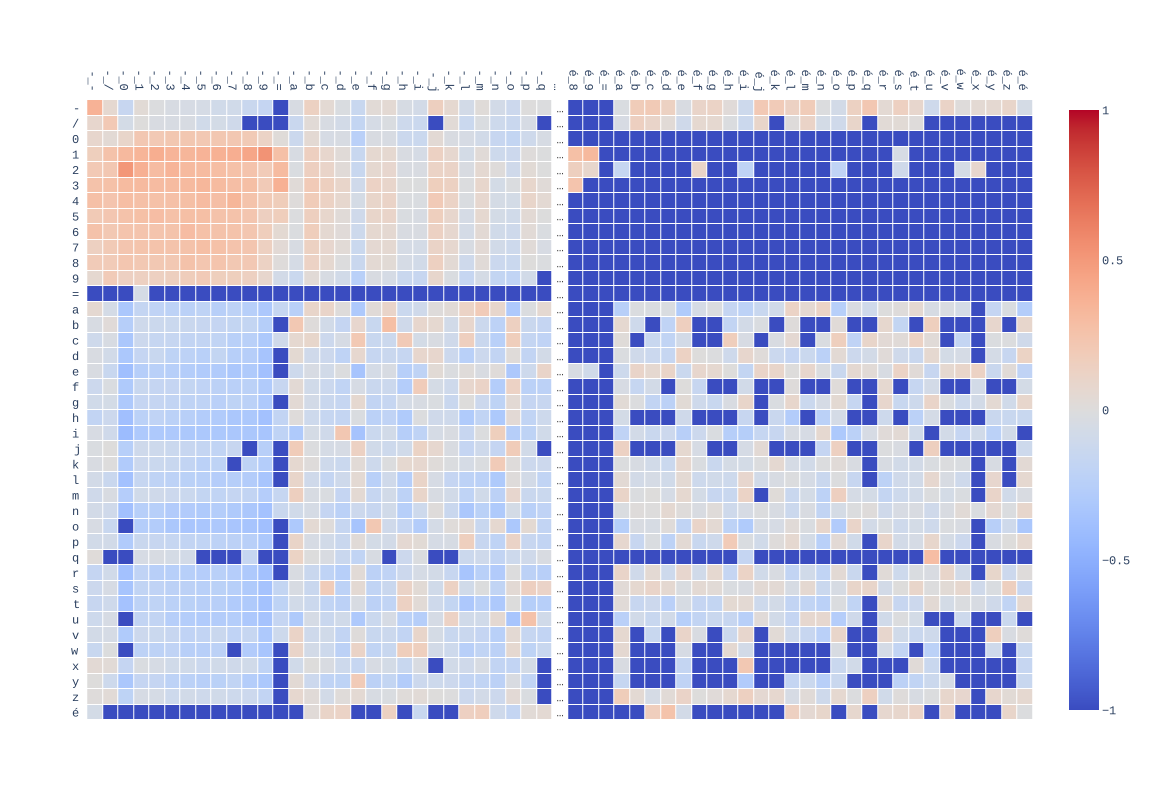
SVD of a PMI matrix

\(U\)
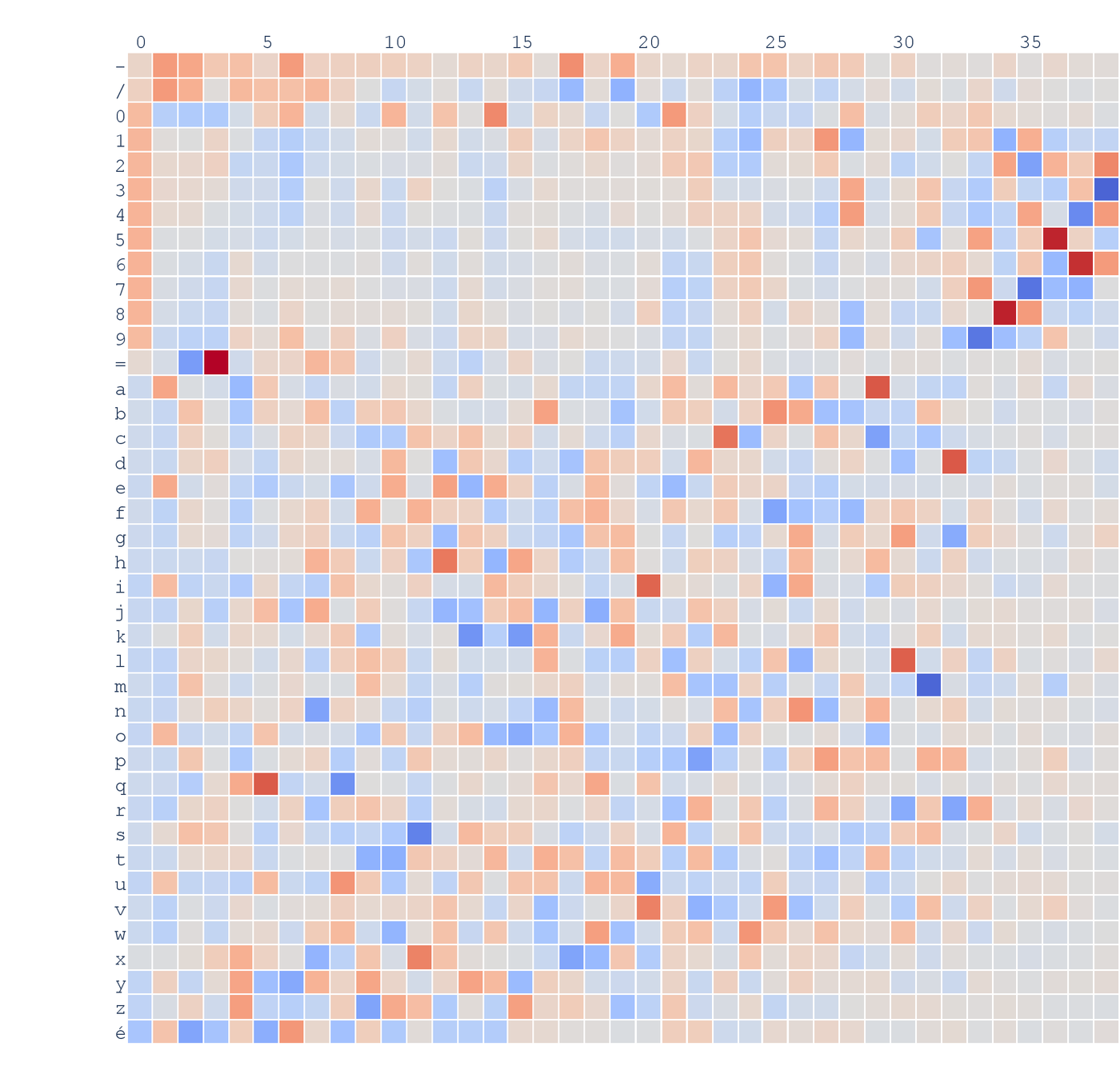
\(\Sigma\)
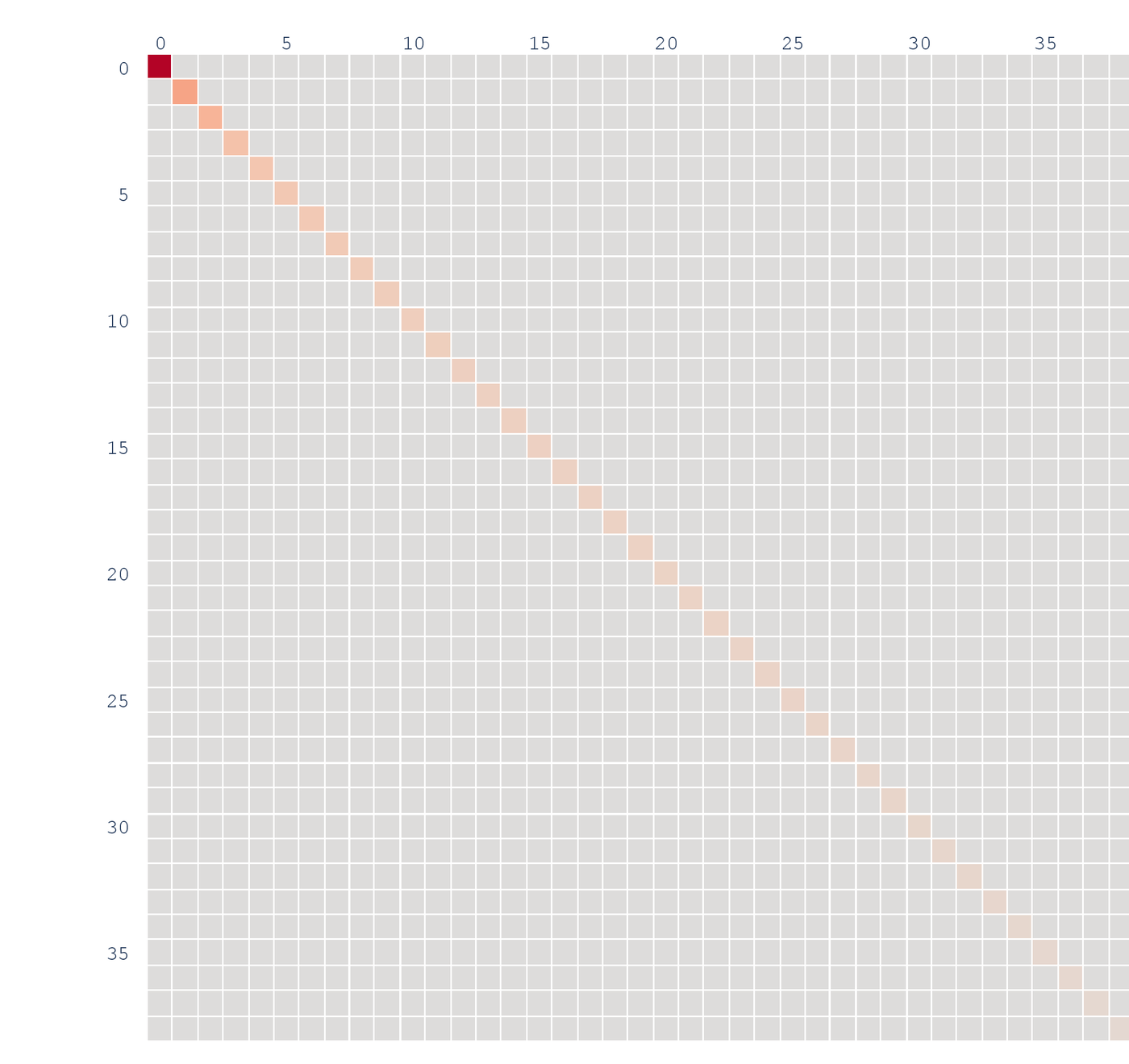
\(V^T\)
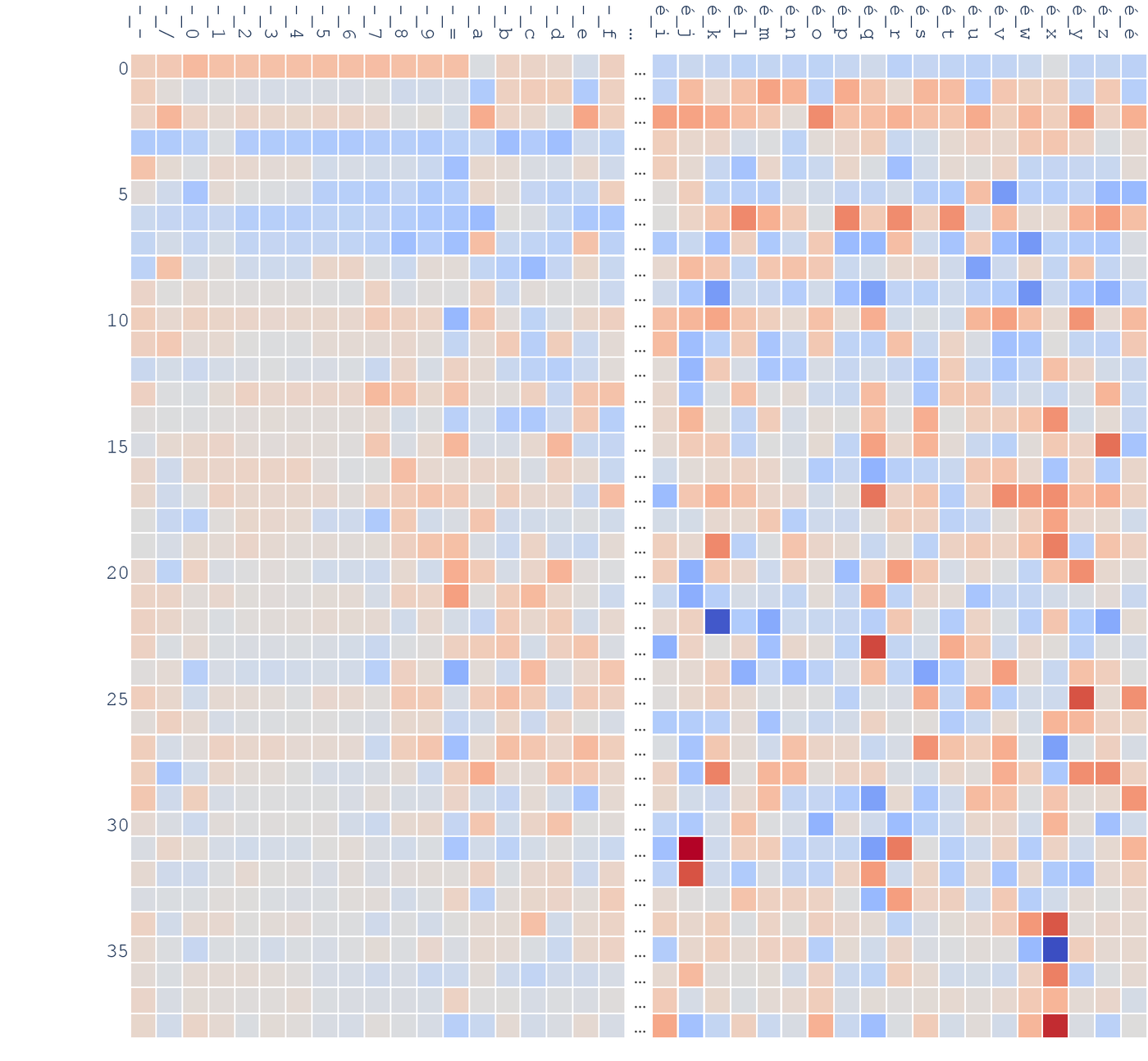
Truncate

\(U \times \Sigma\)
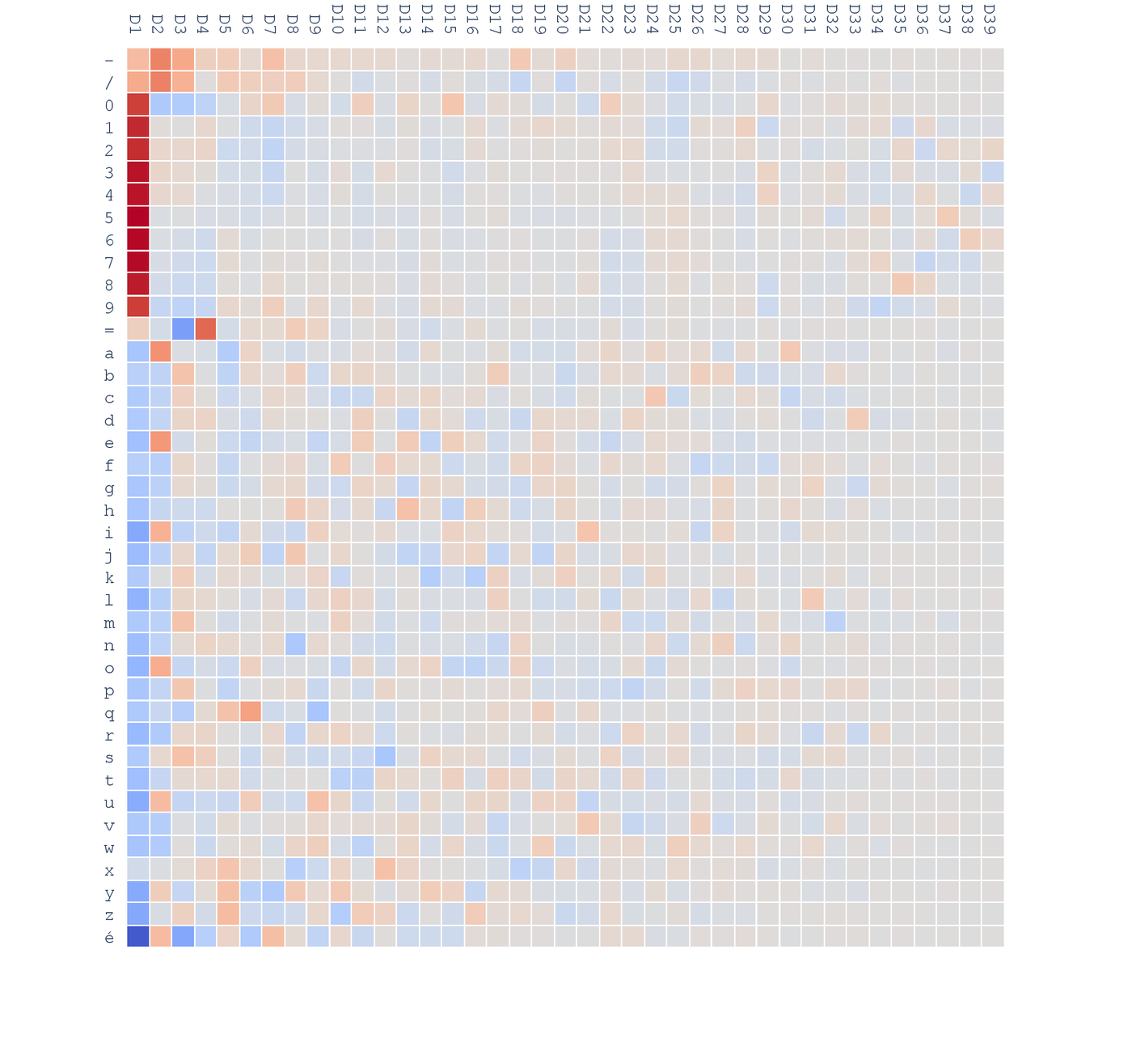
\(\hat{U} \times \hat{\Sigma}\)

Embed

\(\hat{U} \times \hat{\Sigma}\)

But why?
From Distribution to Structure
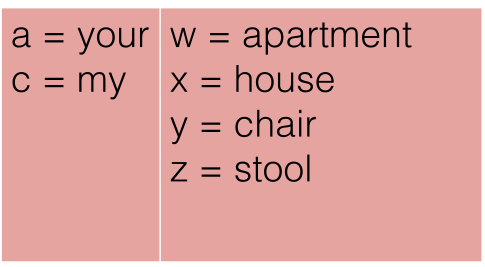
your : house
my : apartment

The structuralist hypothesis

“A priori it would seem to be a generally valid thesis that for every process there is a corresponding system, by which the process can be analyzed and described by means of a limited number of premises. It must be assumed that any process can be analyzed into a limited number of elements recurring in various combinations. Then, on the basis of this analysis, it should be possible to order these elements into classes according to their possibilities of combination. And it should be further possible to set up a general and exhaustive calculus of the possible combinations.”

Hjelmslev (1953, p. 9)

4. But what structure?

  • 1. The structuralist hypothesis
  • 2. The generative revolution
  • 3. Neural language models and the distributional hypothesis
  • 4. But what structure?
  • 5. Structuralism and formalism
  • Conclusion

Embeddings as functions over sets

\(\color{red}{W} = \{\texttt{-},\texttt{/},\texttt{0},\texttt{1},\texttt{2},\texttt{3},\texttt{4},\texttt{5},\texttt{6},\texttt{7},\texttt{8},\texttt{9},\texttt{=},\texttt{a},\texttt{b},\texttt{c},\ldots,\texttt{w},\texttt{x},\texttt{y},\texttt{z},\texttt{é}\}\)
\(\color{blue}{C} = W \times W = \{\texttt{(-,-)},\texttt{(-,/)},\texttt{(-,0)},\ldots,\texttt{(é,z)},\texttt{(é,é)}\}\)

\[\begin{aligned} M \colon {\color{red}{W}} \times {\color{blue}{C}} &\to \mathbb{R}\\ ({\color{red}{w}},{\color{blue}{c}}) &\mapsto \mathrm{pmi}({\color{red}{w}},{\color{blue}{c}}) \end{aligned}\]

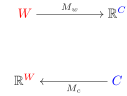
\[\begin{aligned} M_w \colon {\color{red}{W}} &\to \mathbb{R}^{\color{blue}{C}}\\ {\color{red}{w}} &\mapsto {\color{blue}{M(w,-)}} \end{aligned}\]

\[\begin{aligned} M_c \colon {\color{blue}{C}} &\to \mathbb{R}^{\color{red}{W}}\\ {\color{blue}{c}} &\mapsto {\color{red}{M(-,c)}} \end{aligned}\]
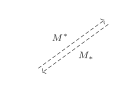
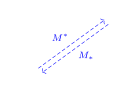
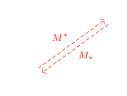
\(M^* \colon \mathbb{R}^{\color{red}{W}} \to \mathbb{R}^{\color{blue}{C}}\)
\(M_* \colon \mathbb{R}^{\color{blue}{C}} \to \mathbb{R}^{\color{red}{W}}\)

Embeddings as functions over sets

\({\color{red}{M_* M^*}} \colon \mathbb{R}^{\color{red}{W}} \to \mathbb{R}^{\color{red}{W}}\)

\({\color{blue}{M^* M_*}} \colon \mathbb{R}^{\color{blue}{C}} \to \mathbb{R}^{\color{blue}{C}}\)

\[\begin{aligned} \{{\color{red}{u_1}}, \ldots, {\color{red}{u_m}}\} &\subset \mathbb{R}^{\color{red}{W}}\\ \{{\color{blue}{v_1}}, \ldots, {\color{blue}{v_n}}\} &\subset \mathbb{R}^{\color{blue}{C}}\\ \{\lambda_1, \ldots, \lambda_{\min(m,n)}&, 0, \ldots, 0\} \end{aligned}\]

\({\color{red}{M_* M^* u_i}} = \lambda_i {\color{red}{u_i}}\)
\({\color{blue}{M^* M_* v_i}} = \lambda_i {\color{blue}{v_i}}\)

The \({\color{red}{u_i}}\) and \({\color{blue}{v_i}}\) are (linear)
fixed points!
\[M = U\Sigma V^T \qquad \begin{aligned} U &:= [{\color{red}{u_1}}, \ldots, {\color{red}{u_m}}]\\ V &:= [{\color{blue}{v_1}}, \ldots, {\color{blue}{v_n}}]\\ \Sigma &:= \left[\begin{smallmatrix} \sqrt{\lambda_1} & \cdots & 0 \\ \vdots & \ddots & \vdots \\ 0 & \cdots & \sqrt{\lambda_r} \end{smallmatrix}\right] \end{aligned}\]

\(M_* M^*\) as a covariance matrix
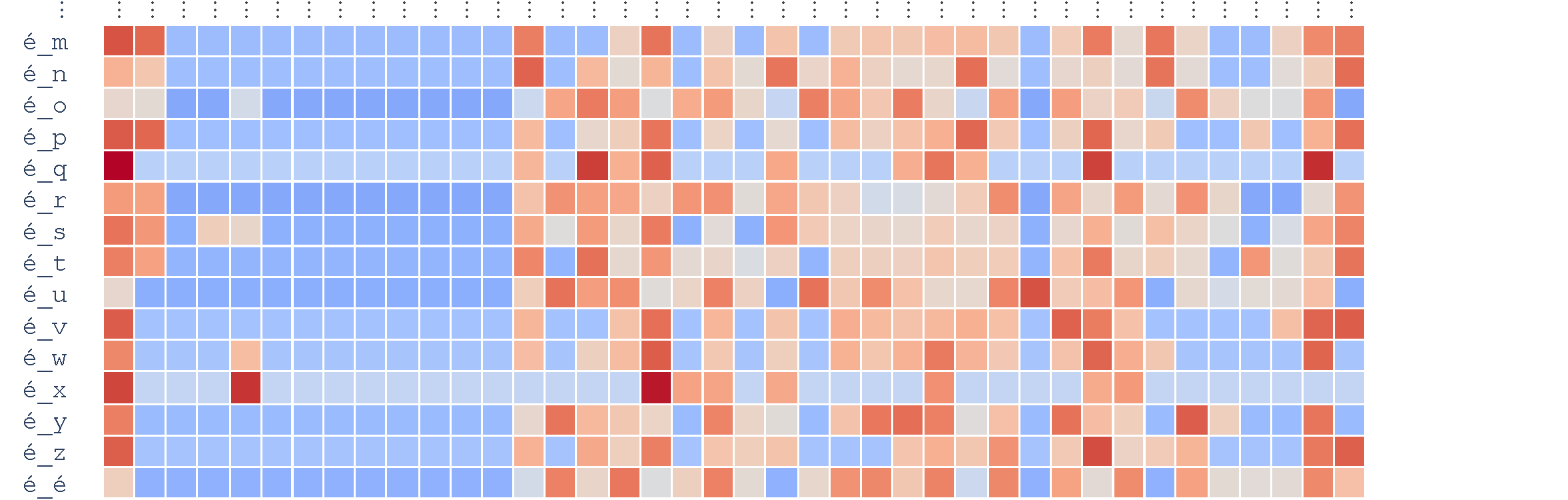
\(M^*\)
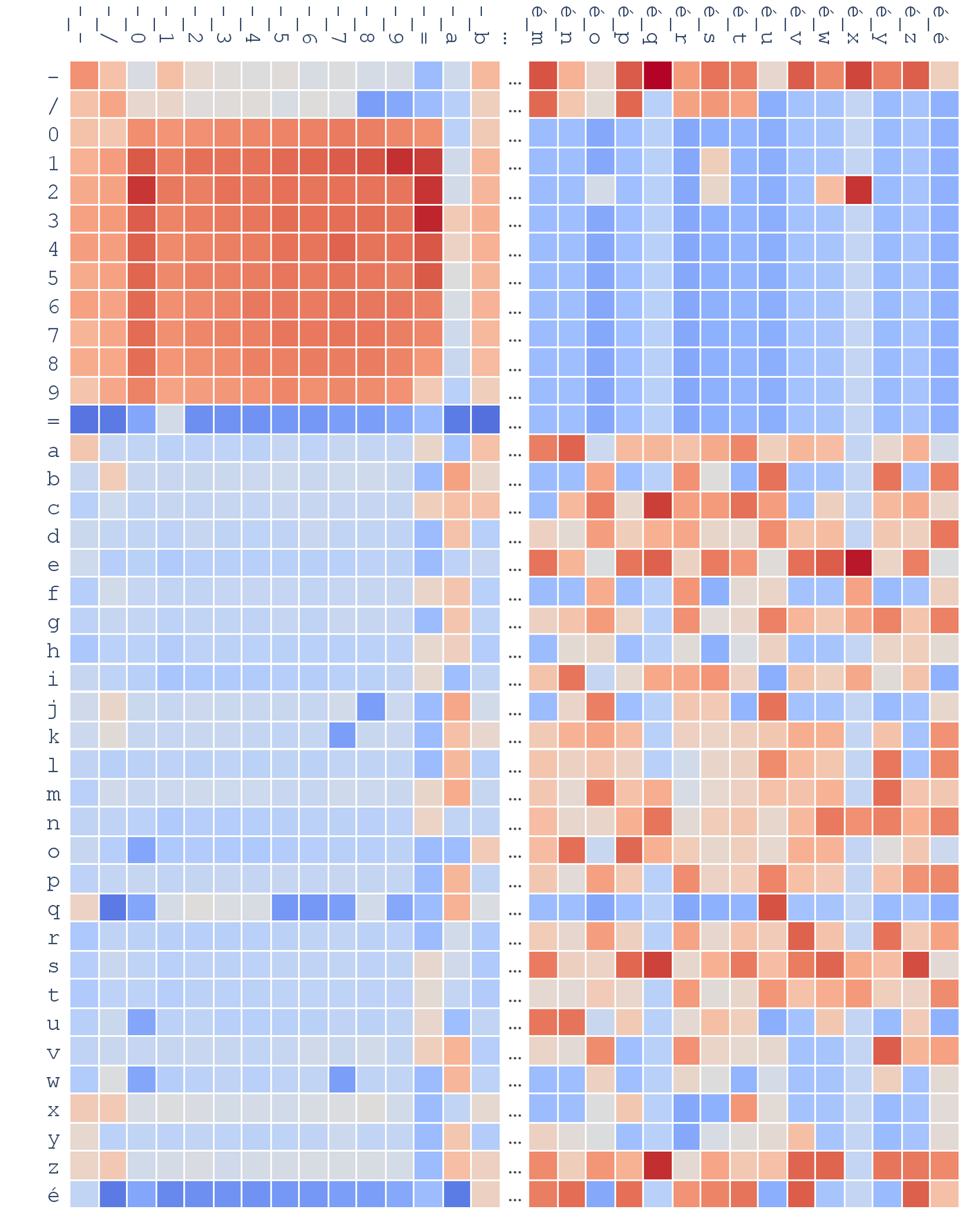
\(M_*\)
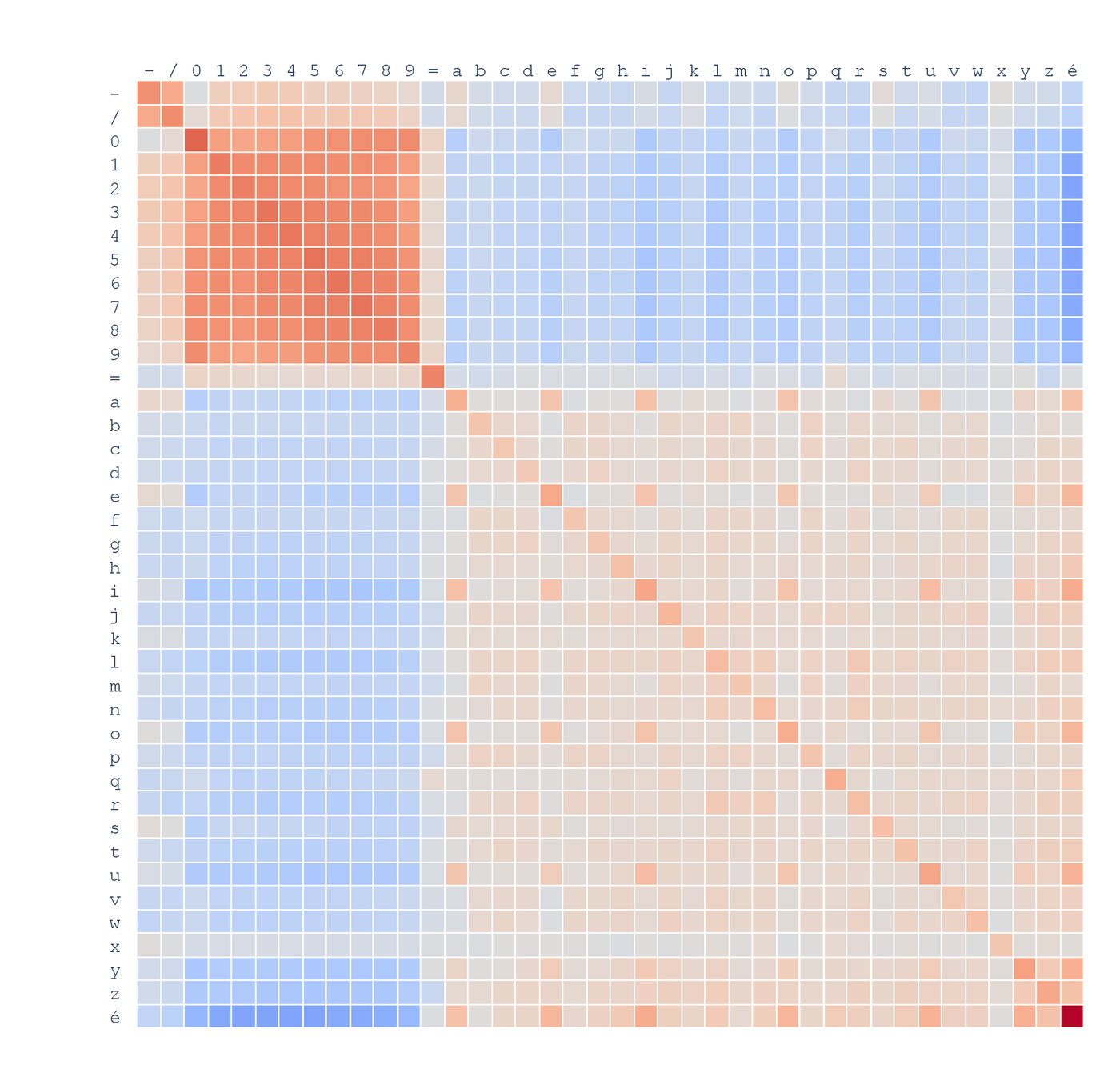
\({\color{red}{M_* M^*}}\)

Eigenvectors as fixed points

\({\color{red}{M_* M^* u}} = \lambda {\color{red}{u}}\)

\(\times\) \(=\) \(\begin{bmatrix} \lambda_1 & \lambda_2 & \lambda_3 \end{bmatrix}\)

Eigenvectors (linear fixed points)
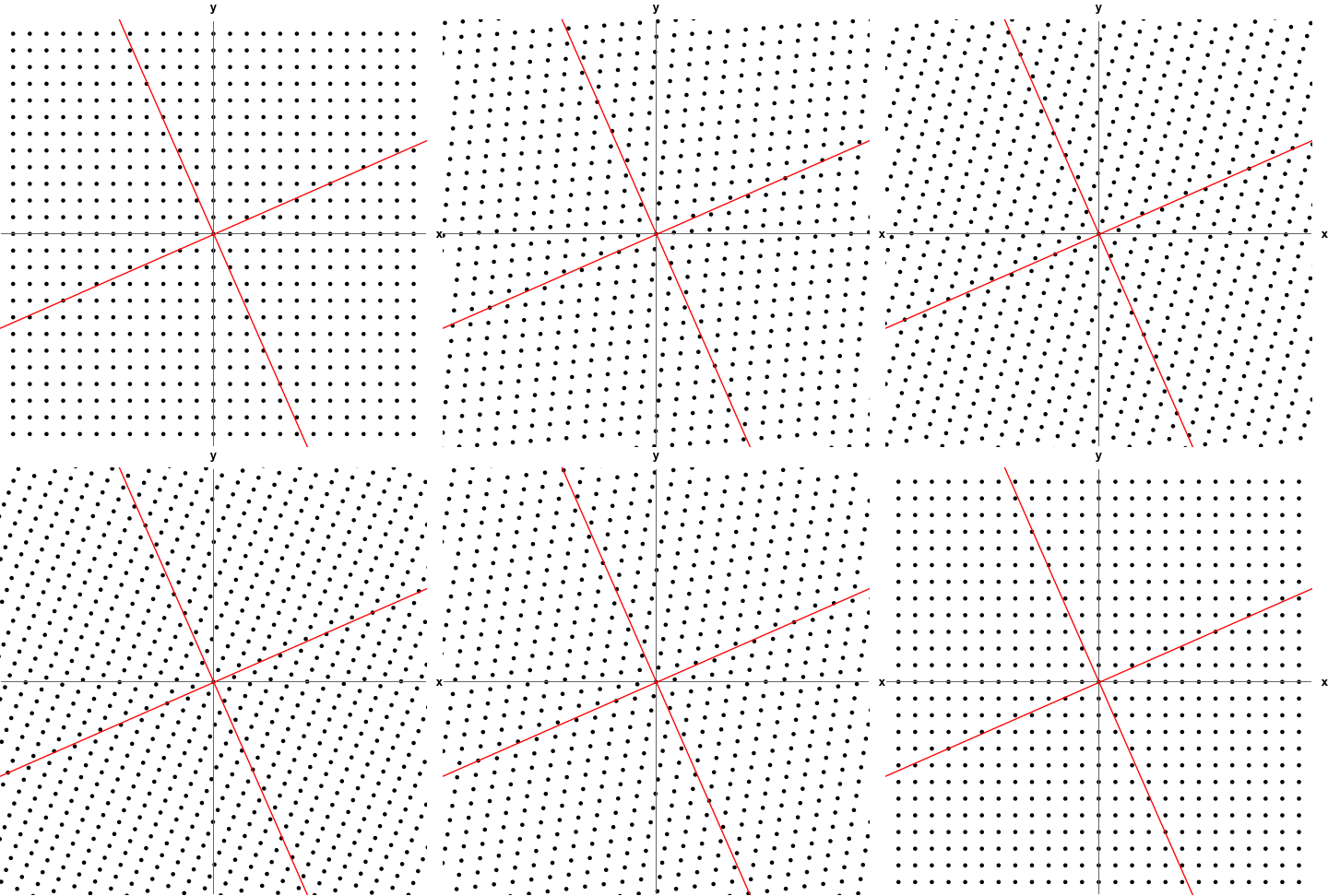
(credits: Jacopo Bertolotti, CC0
via Wikimedia Commons)

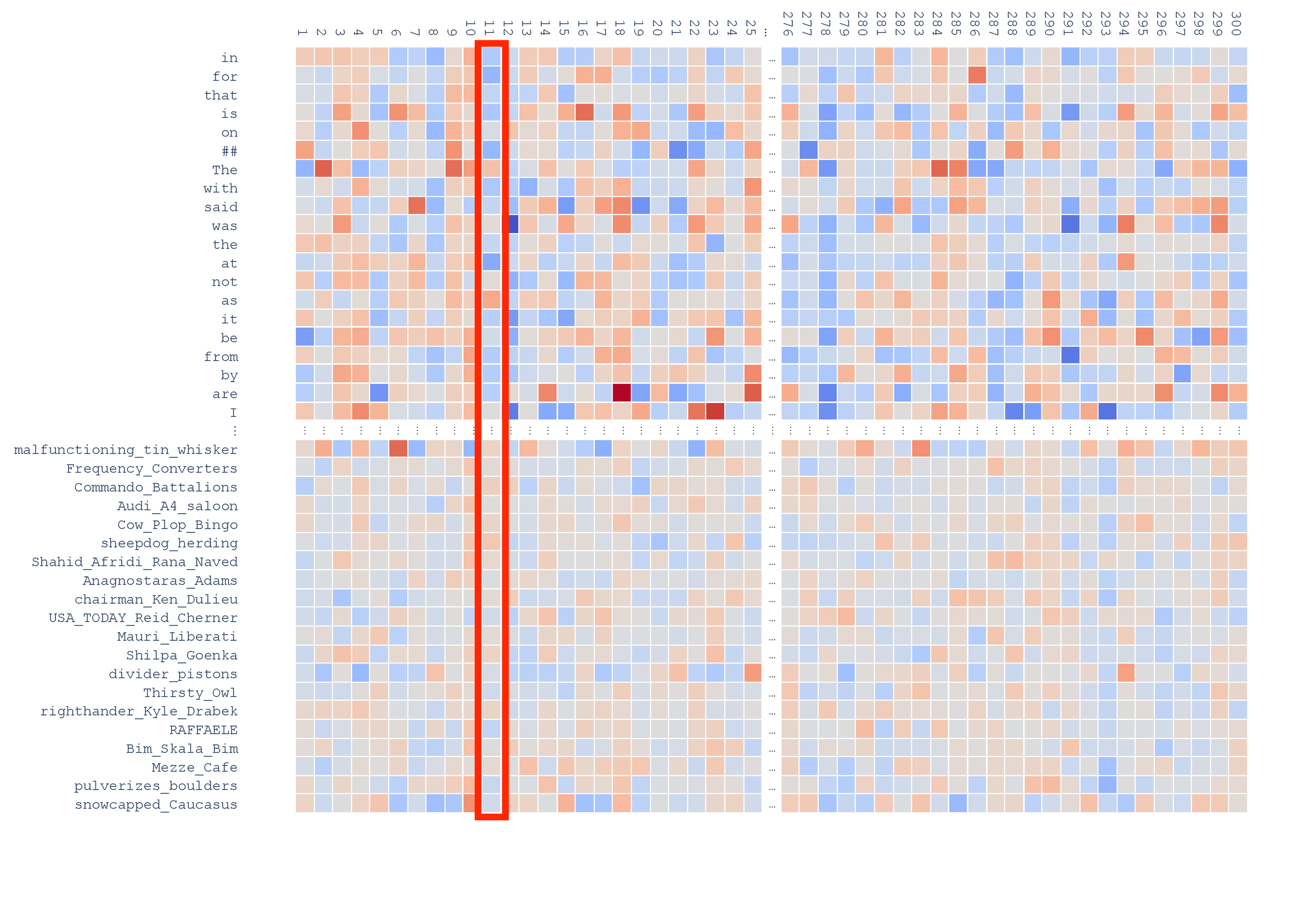
Embedding dimensions as fixed points
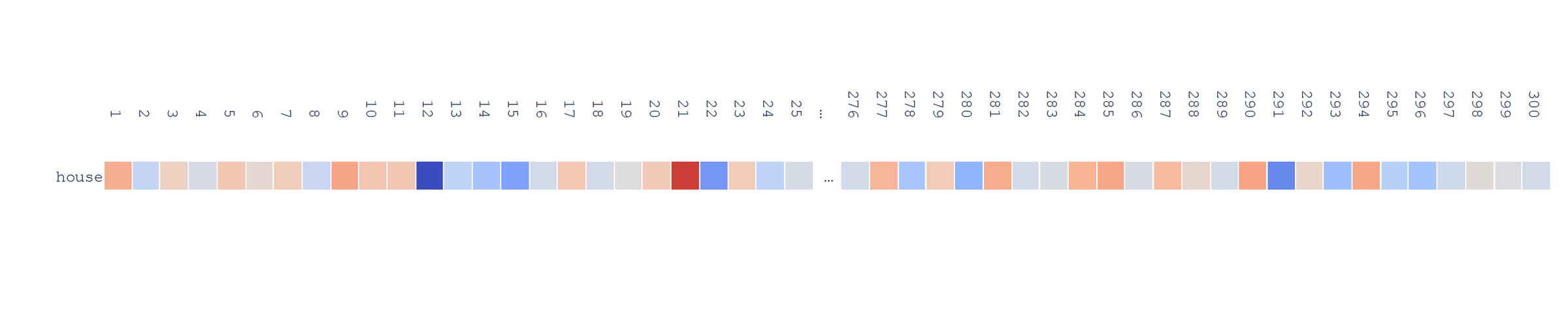
fixed point!

Structural features

Eigenvectors of \({\color{red}{M_* M^*}}\):

Eigenvalues of \({\color{red}{M_* M^*}}\) and \({\color{blue}{M^* M_*}}\):
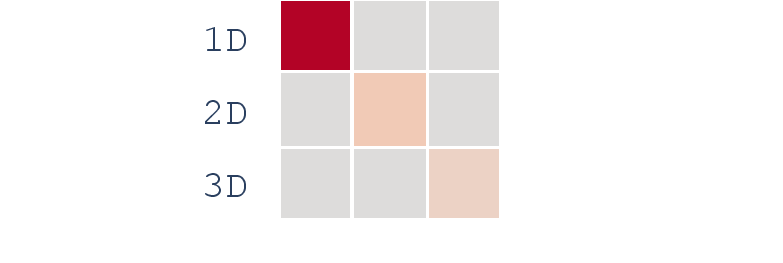
Eigenvectors of \({\color{blue}{M^* M_*}}\):

Words
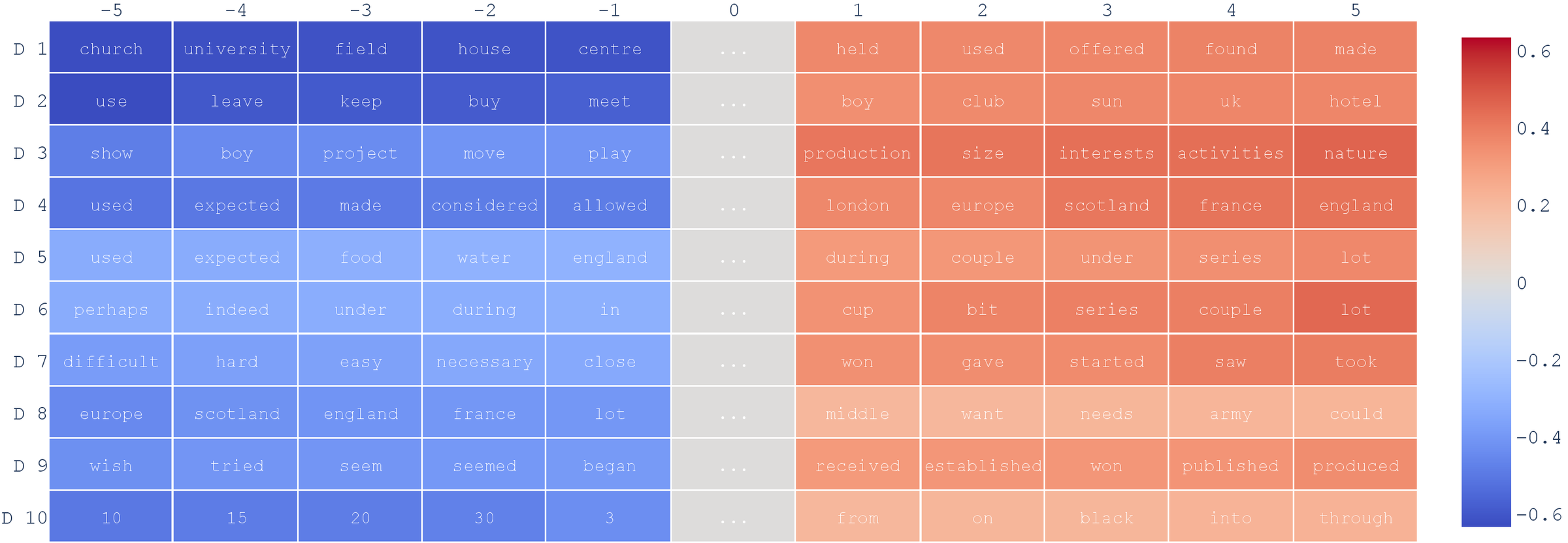
“Distributional” operator and fixed points

\(M \colon {\color{red}{W}} \times {\color{blue}{C}} \to \mathbb{R}\)

\({\color{orange}{\mathsf{C}}}^{\mathrm{op}} \times {\color{green}{\mathsf{D}}} \to \mathsf{Set}\)
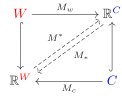
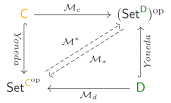
\[\left.\begin{array}{l} {\color{red}{M_* M^*}} \colon \mathbb{R}^{\color{red}{W}} \to \mathbb{R}^{\color{red}{W}} \\ {\color{blue}{M^* M_*}} \colon \mathbb{R}^{\color{blue}{C}} \to \mathbb{R}^{\color{blue}{C}} \end{array}\right\}\]

distributional
operator

\[\left\{\begin{array}{l} {\color{orange}{\mathcal{M}_* \mathcal{M}^*}} \colon \mathsf{Set}^{{\color{orange}{\mathsf{C}}}^{\mathrm{op}}} \to \mathsf{Set}^{{\color{orange}{\mathsf{C}}}^{\mathrm{op}}} \\ {\color{green}{\mathcal{M}^* \mathcal{M}_*}} \colon (\mathsf{Set}^{\color{green}{\mathsf{D}}})^{\mathrm{op}} \to (\mathsf{Set}^{\color{green}{\mathsf{D}}})^{\mathrm{op}} \end{array}\right.\]

\[\left.\begin{array}{l} \{{\color{red}{u_i}} \in \mathbb{R}^{\color{red}{W}} \mid {\color{red}{M_* M^*}}\, {\color{red}{u_i}} = \lambda_i {\color{red}{u_i}}\} \\ \{{\color{blue}{v_i}} \in \mathbb{R}^{\color{blue}{C}} \mid {\color{blue}{M^* M_*}}\, {\color{blue}{v_i}} = \lambda_i {\color{blue}{v_i}}\} \end{array}\right\}\]

fixed
points

\[\left\{\begin{array}{l} \{{\color{orange}{f}} \in \mathsf{Set}^{{\color{orange}{\mathsf{C}}}^{\mathrm{op}}} \mid {\color{orange}{\mathcal{M}_* \mathcal{M}^*}}({\color{orange}{f}}) \cong {\color{orange}{f}}\} \\ \{{\color{green}{g}} \in (\mathsf{Set}^{\color{green}{\mathsf{D}}})^{\mathrm{op}} \mid {\color{green}{\mathcal{M}^* \mathcal{M}_*}}({\color{green}{g}}) \cong {\color{green}{g}}\} \end{array}\right.\]

Profunctor of enriched categories

Boolean fixed points

\({\color{red}{M_* M^* u}} = \lambda {\color{red}{u}}\)

\(\times\) \(=\) \(\begin{bmatrix} \lambda_1 & \lambda_2 & \lambda_3 \end{bmatrix}\)

\({\color{orange}{\mathcal{M}_* \mathcal{M}^*}}\, {\color{orange}{f}} = {\color{orange}{f}}\)

\(\star\) \({\color{#ff3333}{\stackrel{?}{=}}}\)
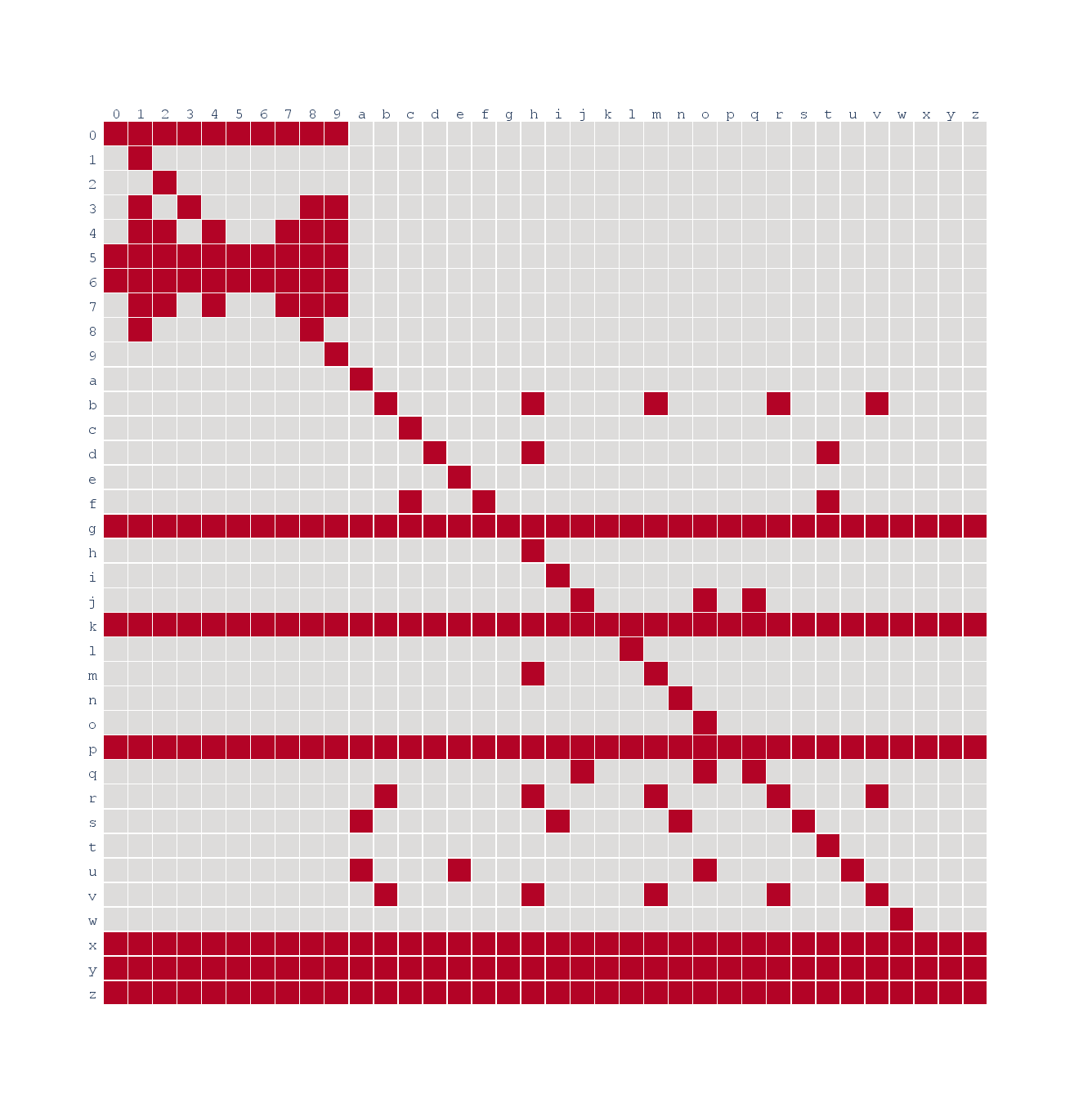
“Eigensets”

\({\color{orange}{\mathcal{M}_* \mathcal{M}^*}}\, {\color{orange}{f}} = {\color{orange}{f}}\)
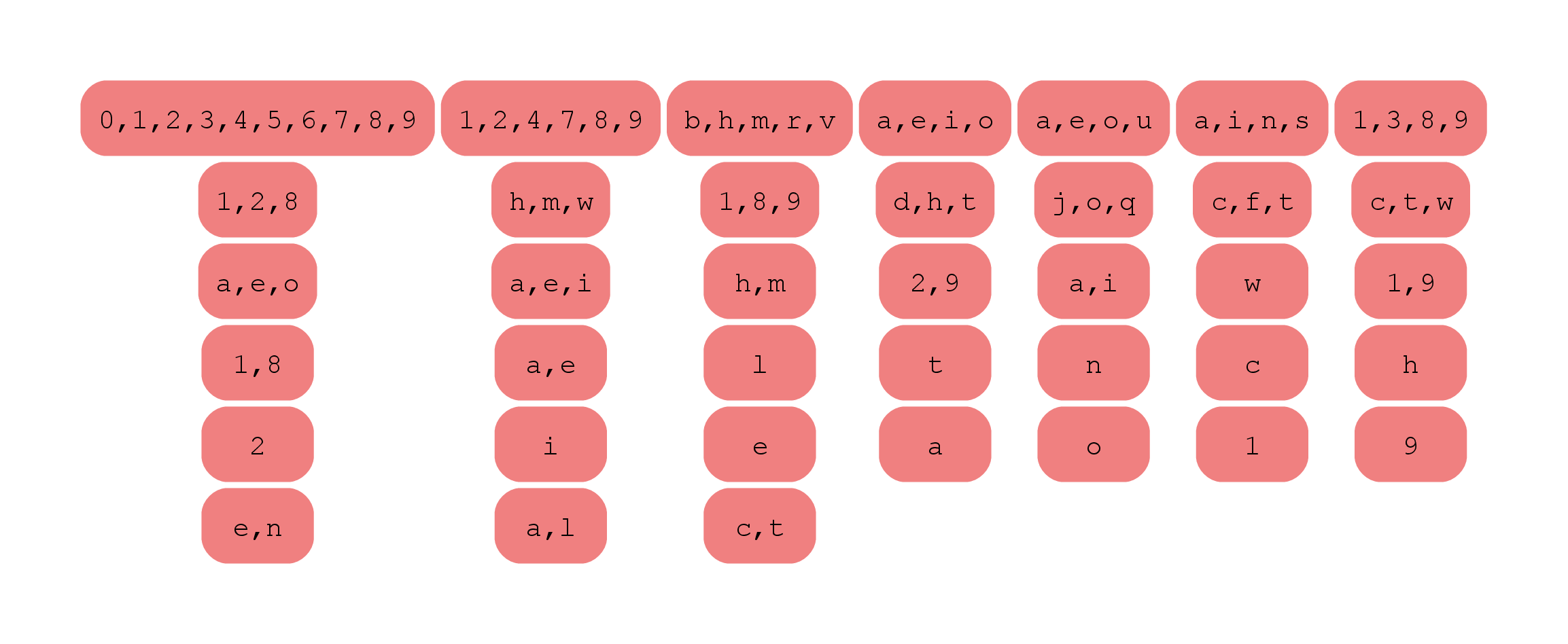
Partial order structure

Dual partial order

Coupling of fixed points

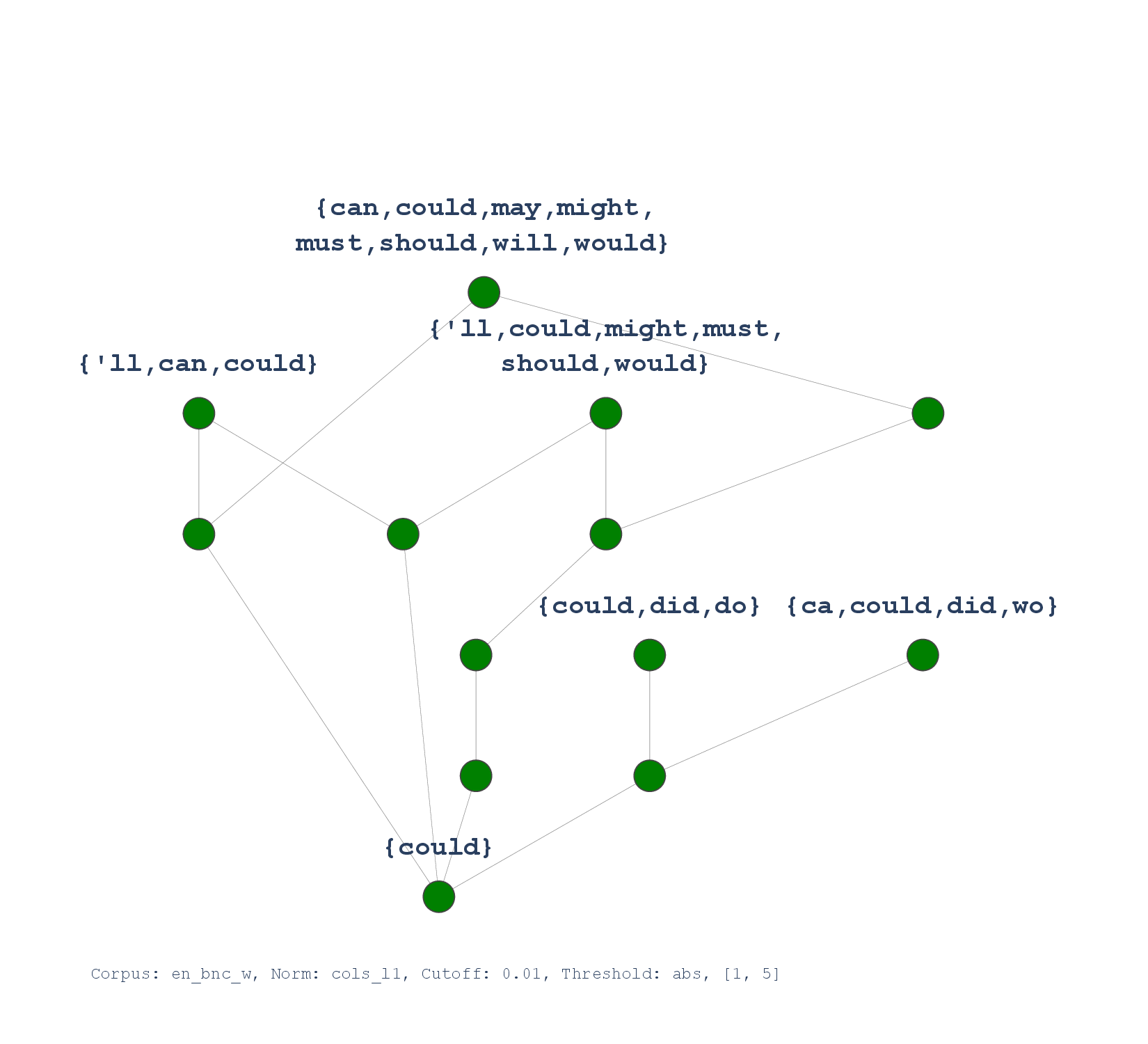
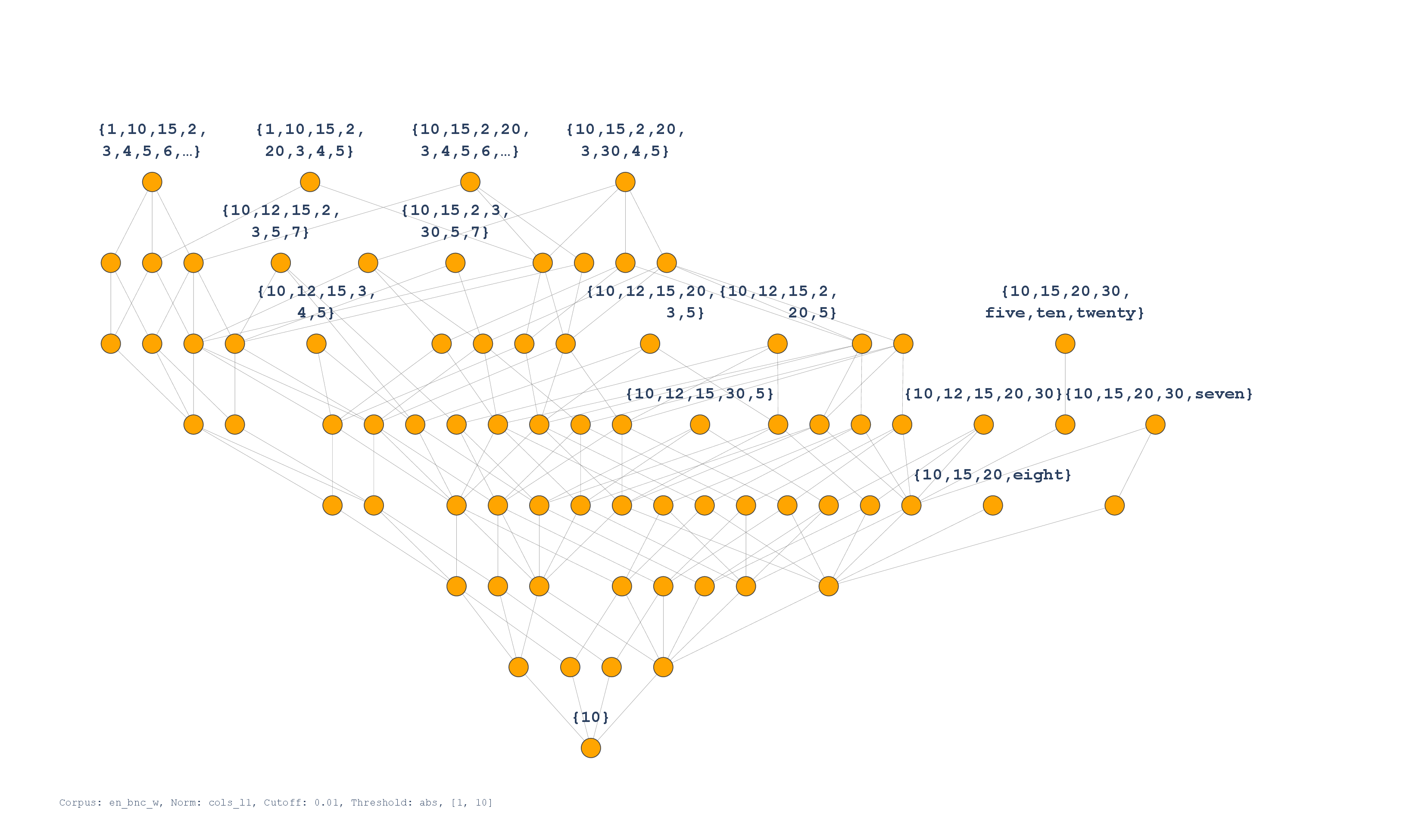
Formal concepts
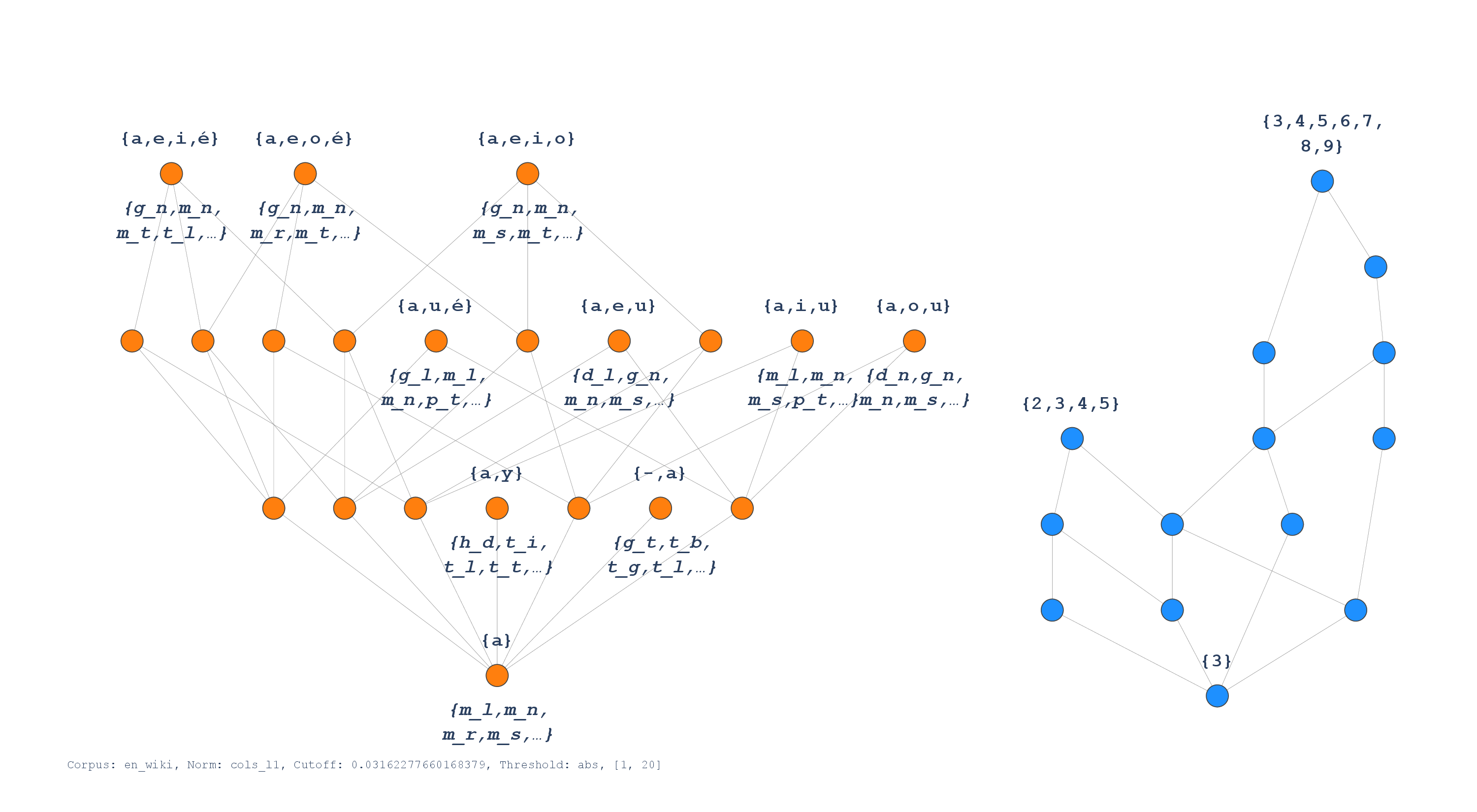
Formal concepts (words)
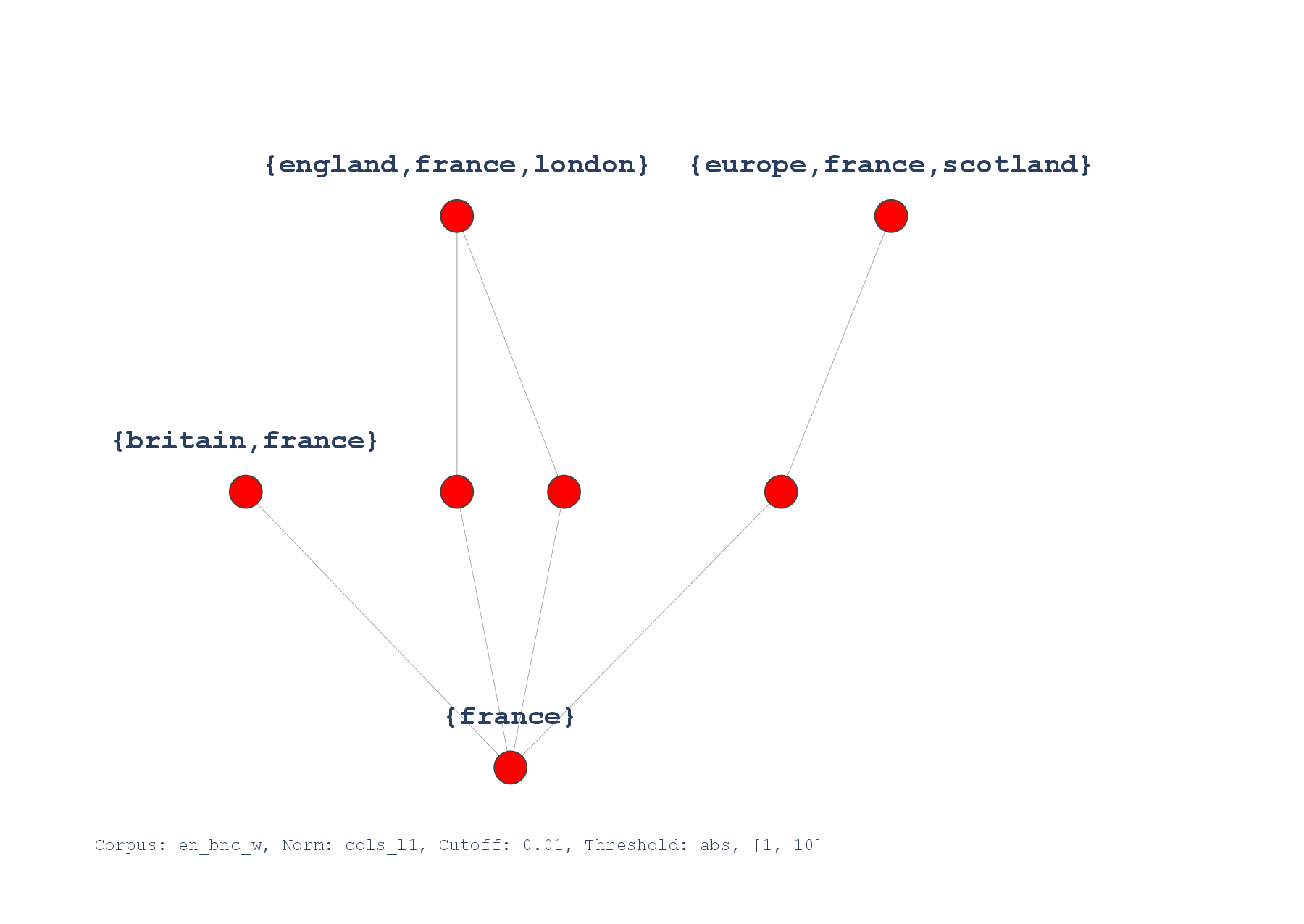
Formal concepts (words)
\(\bar{\mathbb{R}}\)-enriched profunctors

(Gastaldi et al., 2026b) (Gastaldi et al., 2026a; Gastaldi & Pellissier, 2021)

The implicit structure of data

5. Structuralism and formalism

  • 1. The structuralist hypothesis
  • 2. The generative revolution
  • 3. Neural language models and the distributional hypothesis
  • 4. But what structure?
  • 5. Structuralism and formalism
  • Conclusion

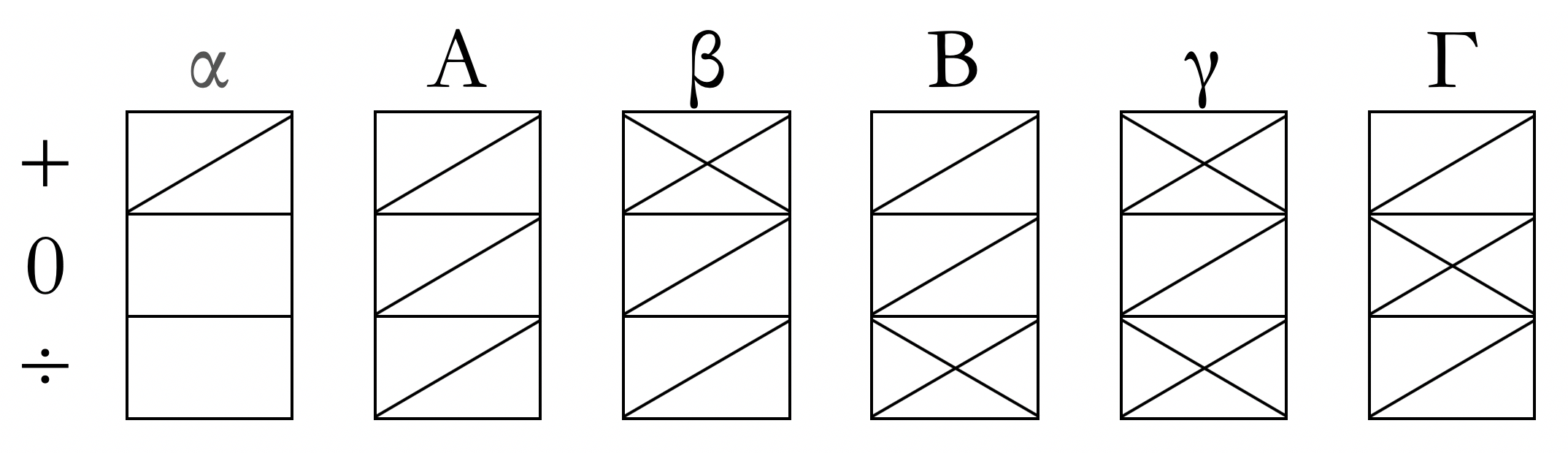
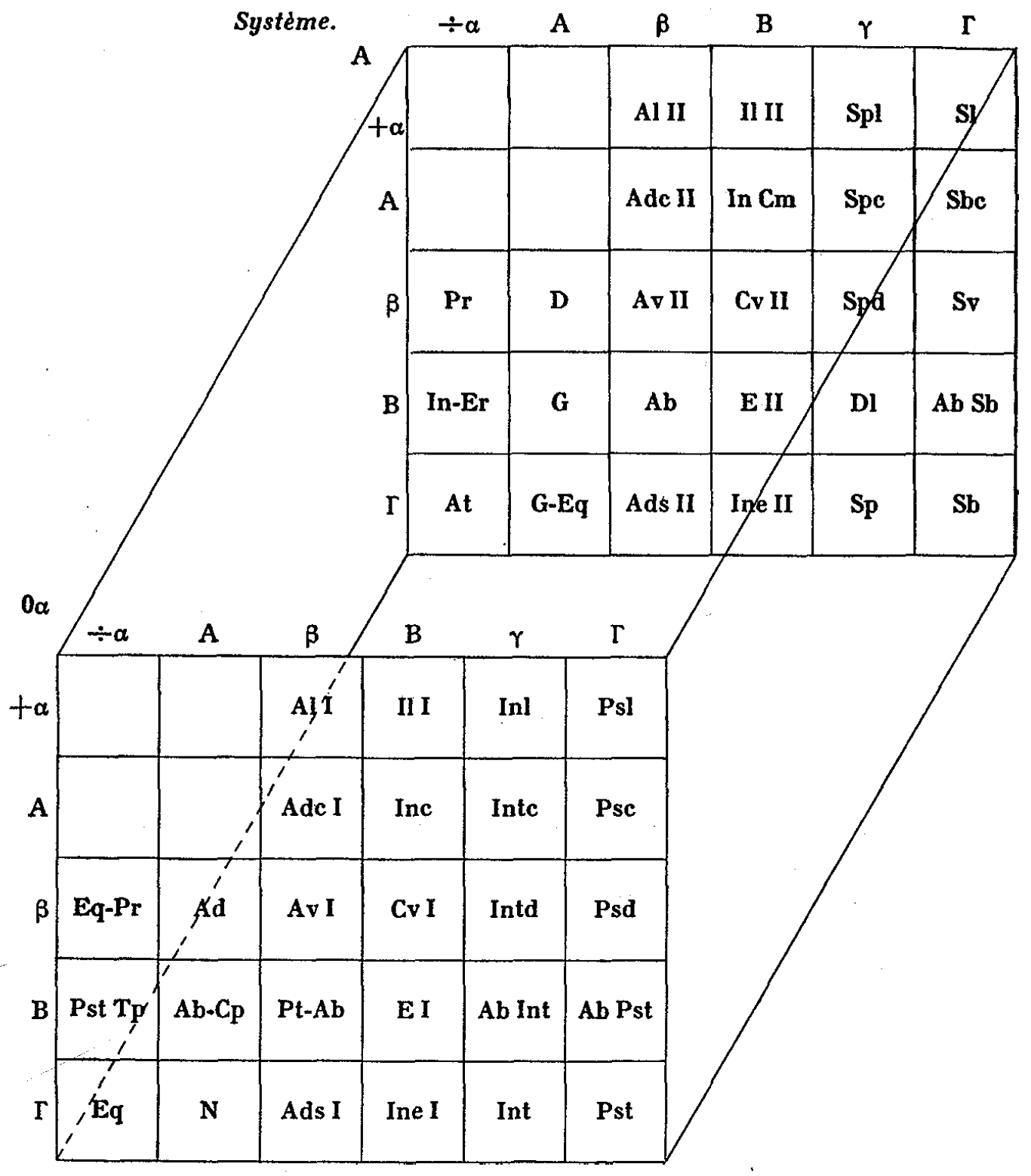
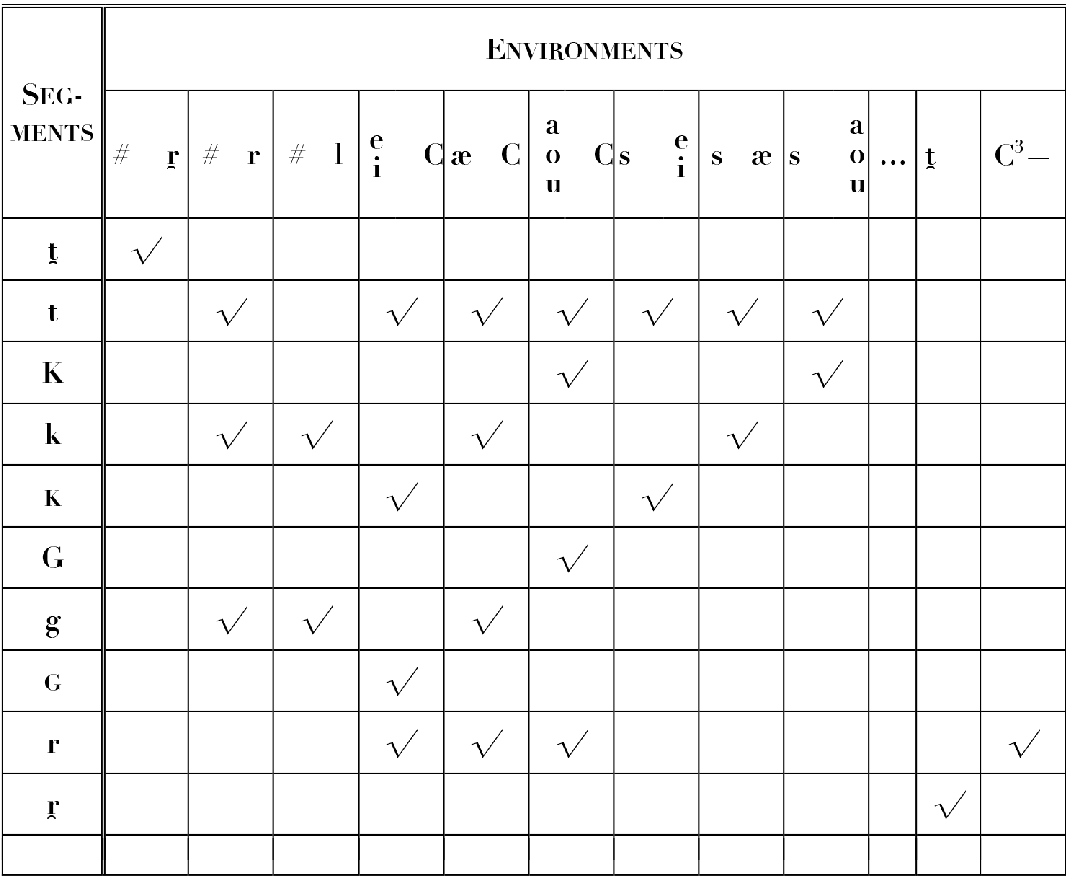
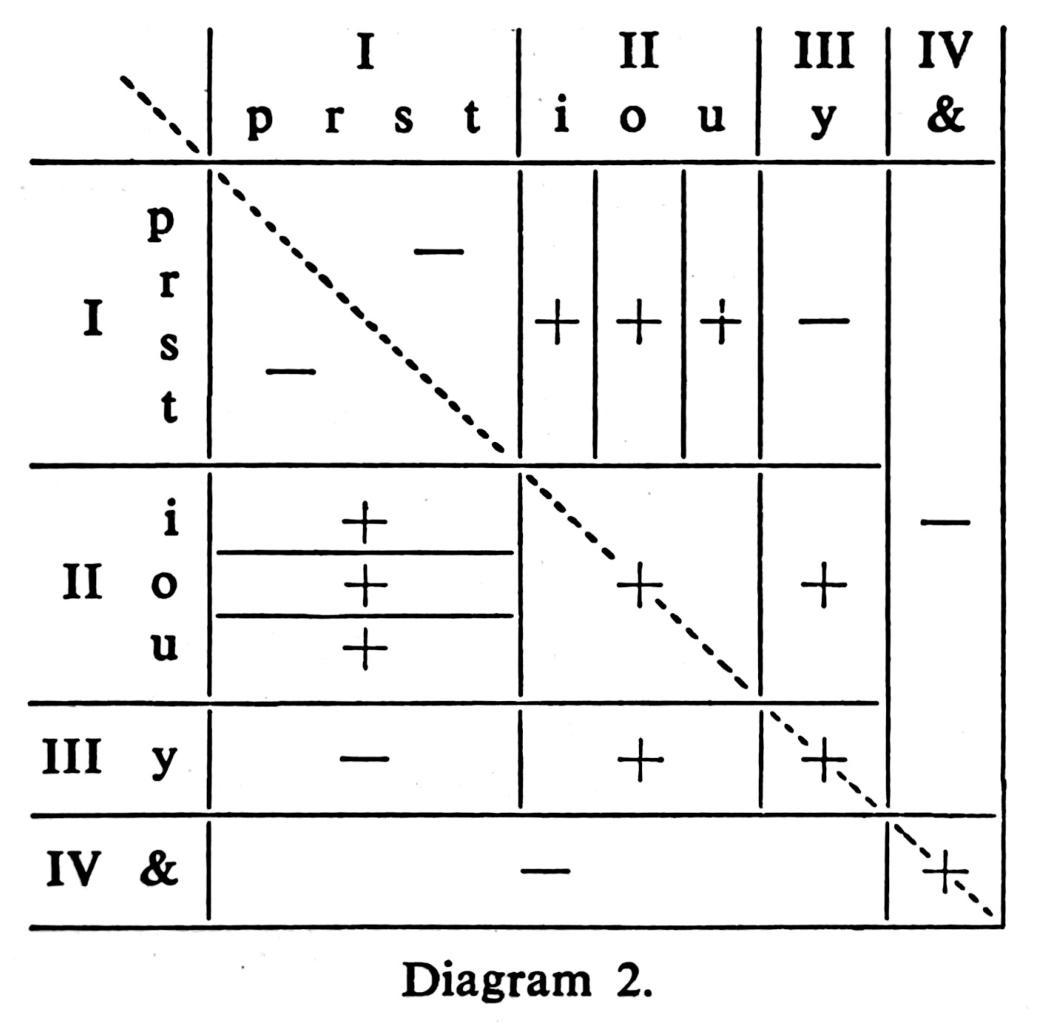
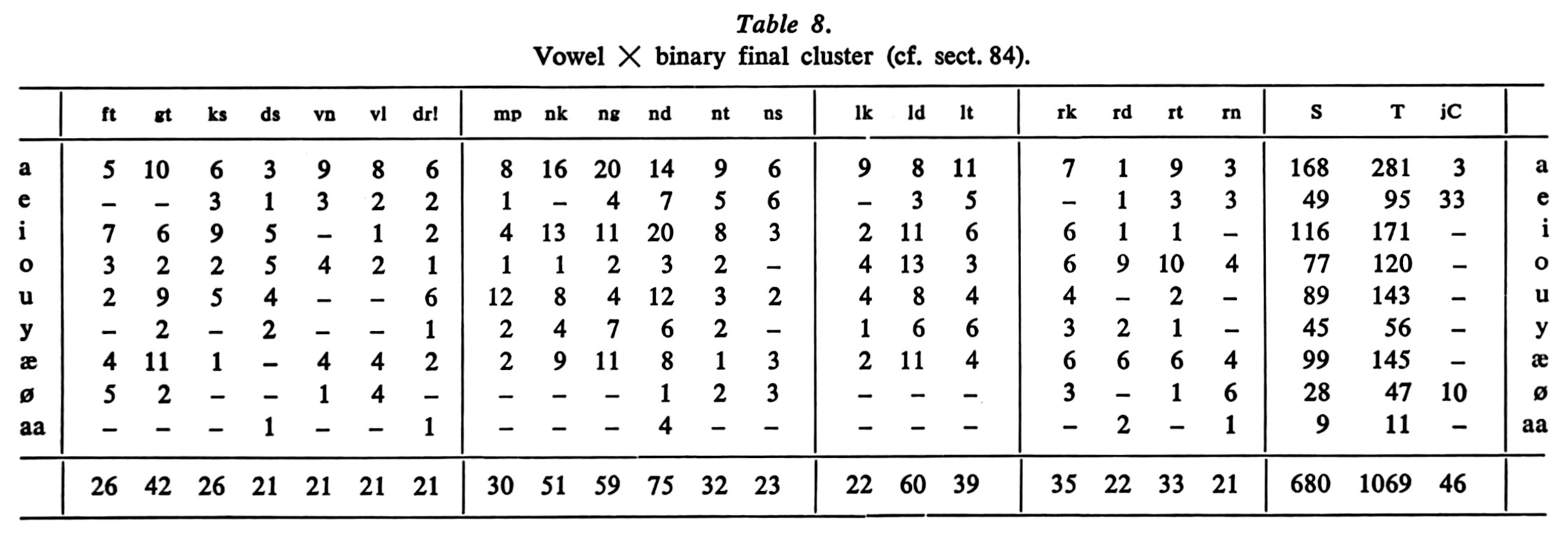
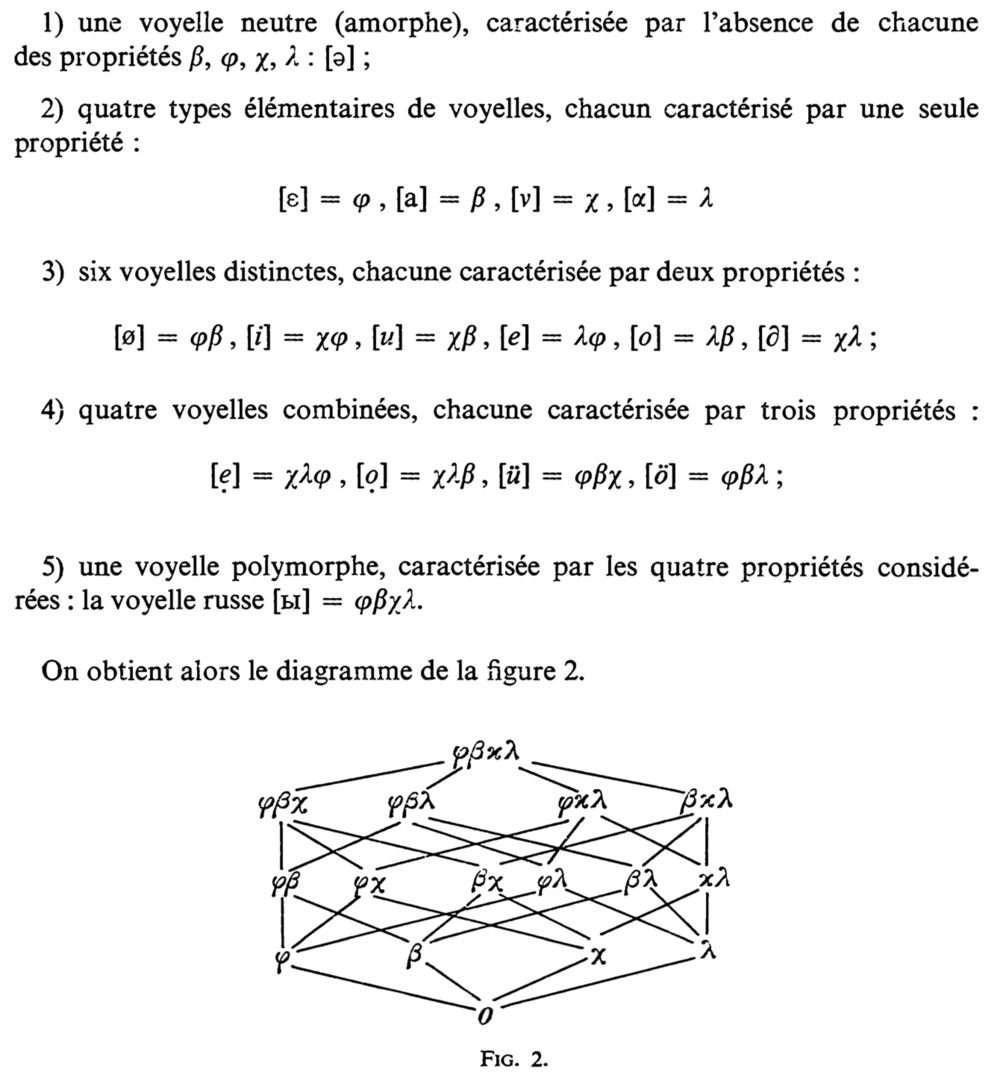
Structuralism and Formalism

Structuralism and Formalism
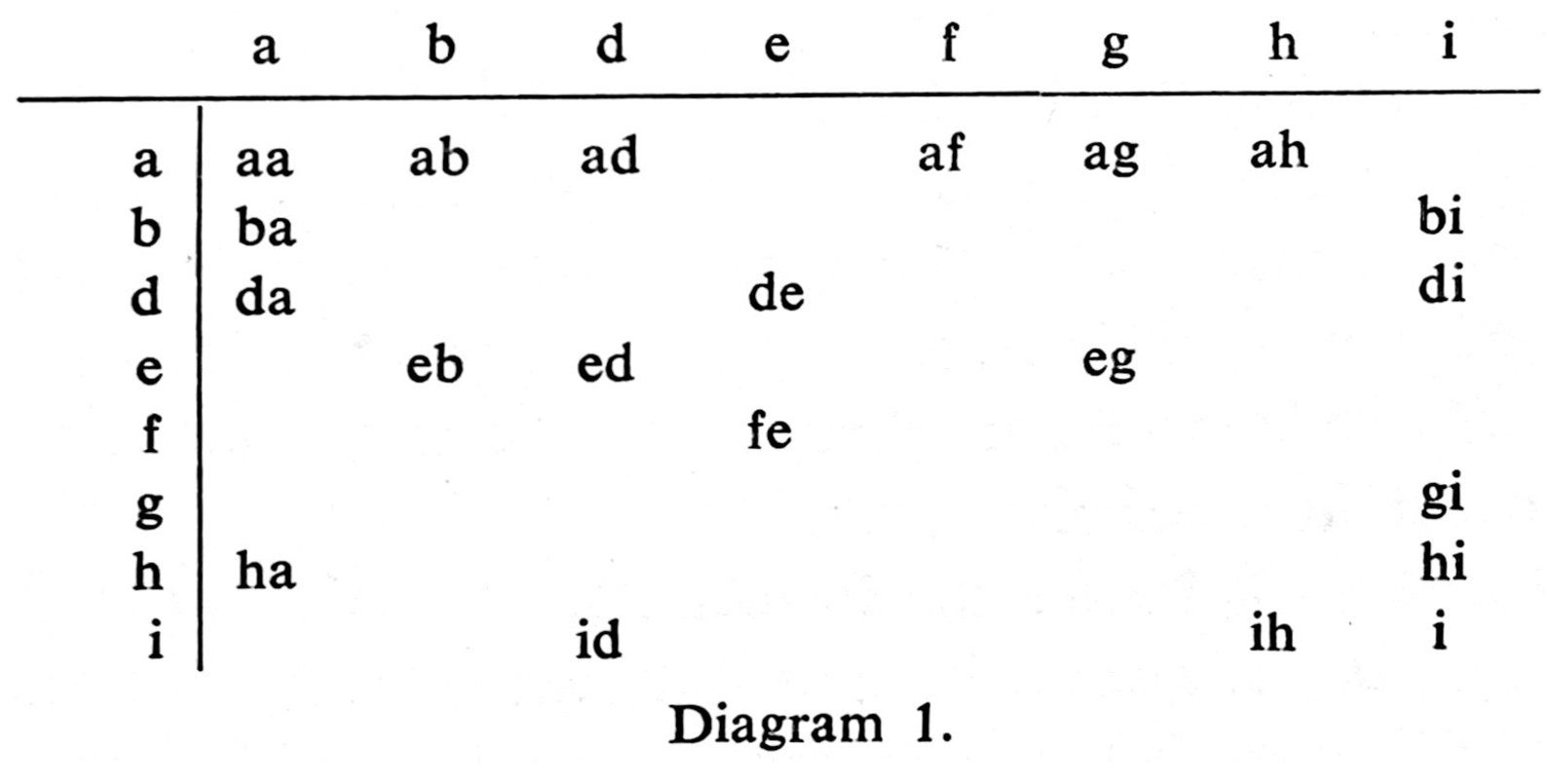
Structuralism and Formalism
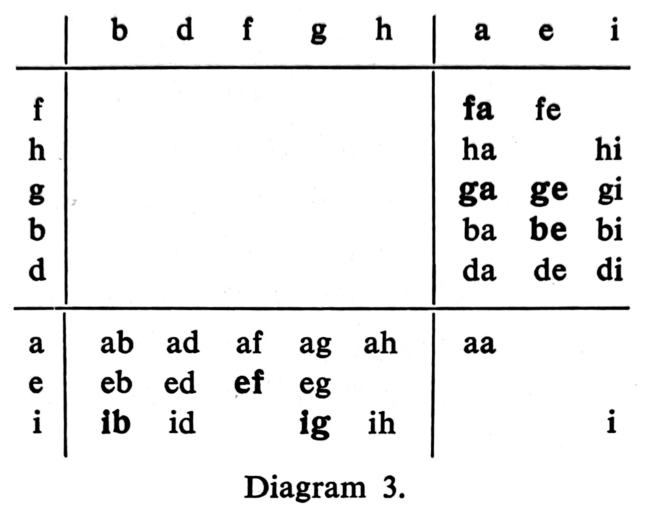
Fixed points as distinctive features
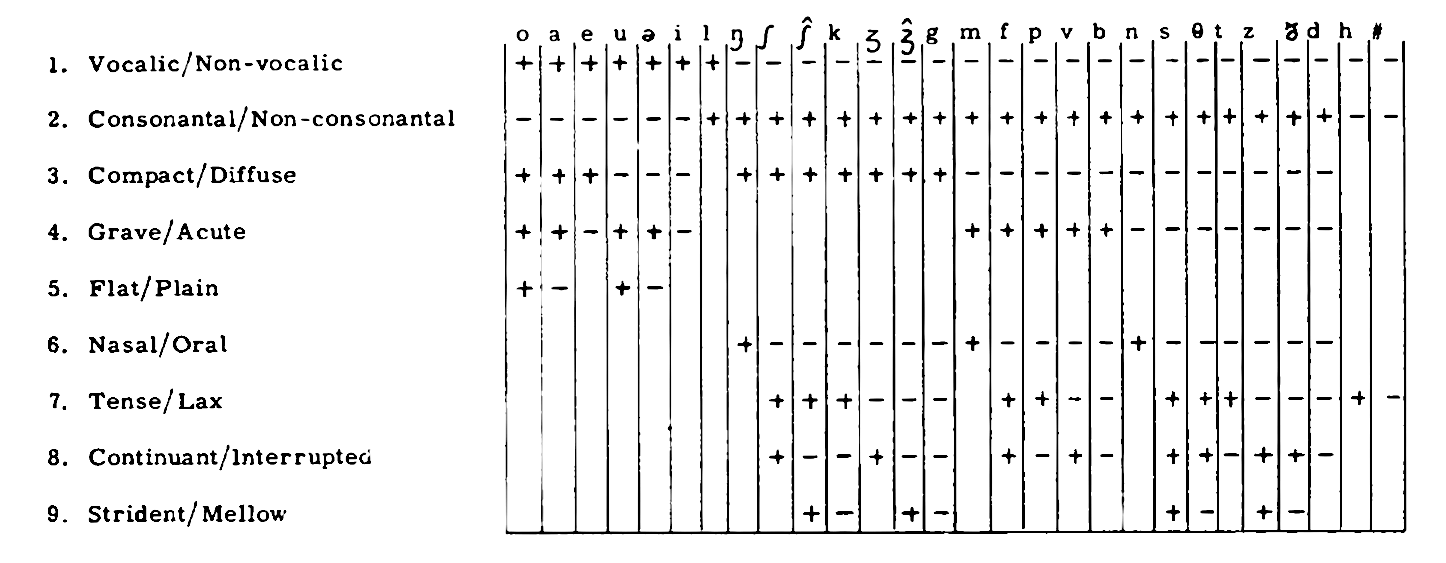
fixed
points!!!

fixed
points!!!

Bourdieu in embedding space

“If it is true […] that, first, the dominant class constitutes a relatively autonomous space whose structure is defined by the distribution of economic and cultural capital among its members, […] then these structures should be found in the space of life-styles […]. To endeavour to establish this, the whole set of survey data was subjected to correspondence analysis.”
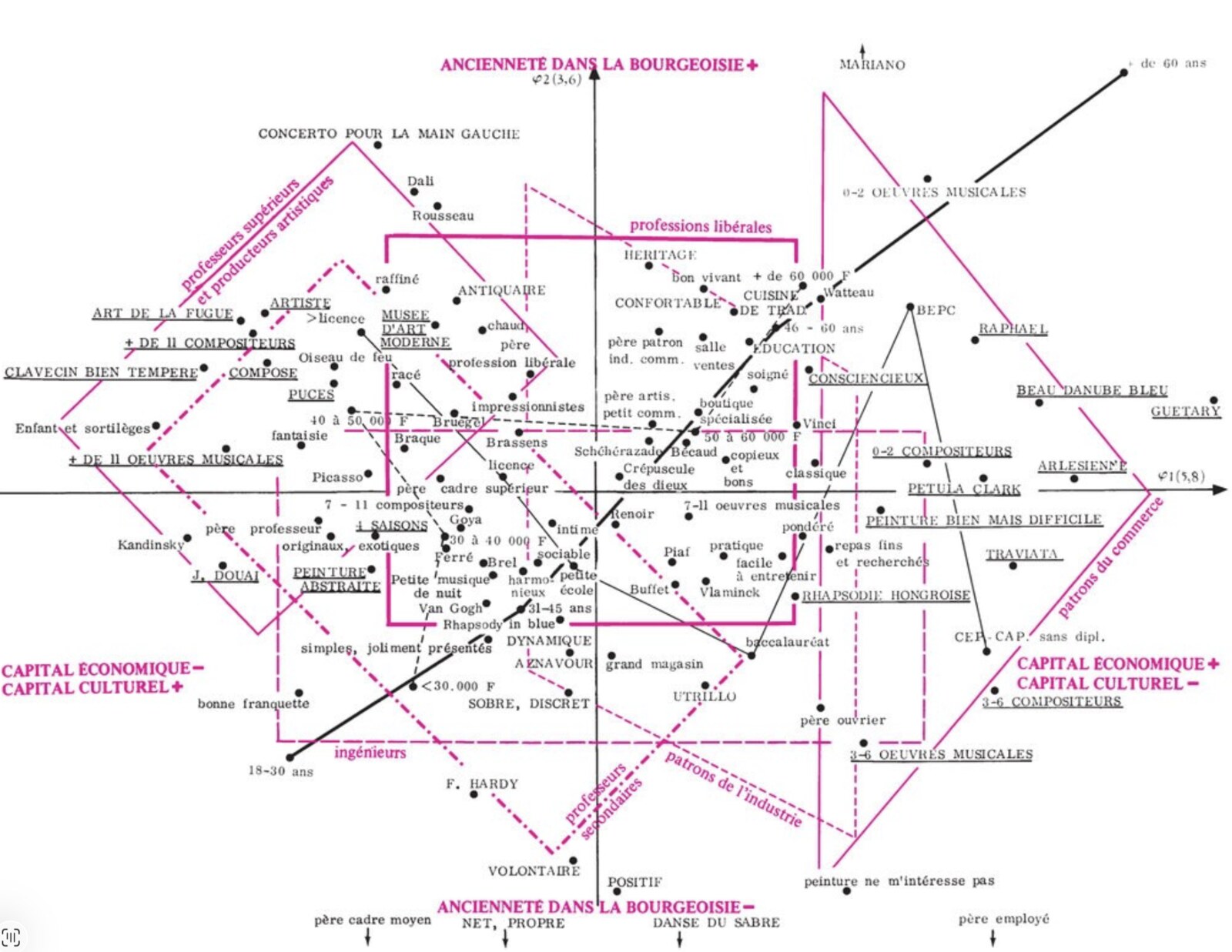
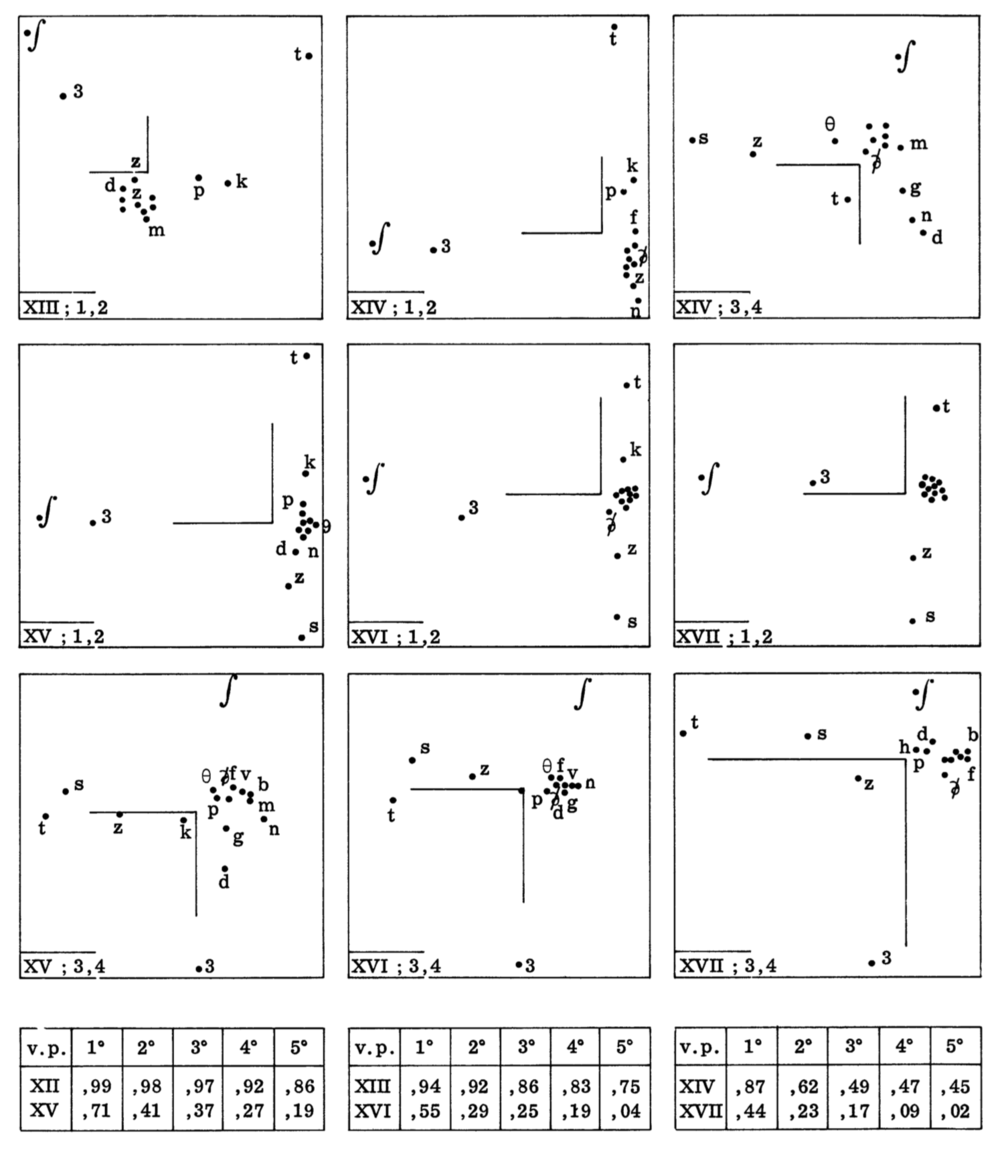
Structuralist mathematics

Conclusion

  • 1. The structuralist hypothesis
  • 2. The generative revolution
  • 3. Neural language models and the distributional hypothesis
  • 4. But what structure?
  • 5. Structuralism and formalism
  • Conclusion

Conclusion

  • Do LLMs vindicate structuralism?
    Yes and no!
  • A program: make the latent structure of data explicit
  • Condition: suspend the primacy of elements over relations
  • Relations vs. elements: a metaphysical choice to be settled positively, not speculatively

Reference papers

Gastaldi, J. L. (2021). Why Can Computers Understand Natural Language? Philosophy & Technology, 34(1), 149–214. https://doi.org/10.1007/s13347-020-00393-9

Gastaldi (2021)

Gastaldi, J. L., & Pellissier, L. (2021). The Calculus of Language: Explicit Representation of Emergent Linguistic Structure through Type-Theoretical Paradigms. Interdisciplinary Science Reviews, 46(4), 569–590. https://doi.org/10.1080/03080188.2021.1890484

Gastaldi & Pellissier (2021)

Bradley, T.-D., Gastaldi, J. L., & Terilla, J. (2024). The Structure of Meaning in Language: Parallel Narratives in Linear Algebra and Category Theory. Notices of the American Mathematical Society.

Bradley et al. (2024)

Gastaldi, J. L., Jarvis, S., Seiller, T., & Terilla, J. (2026). Projective metric geometry of tropical nuclei: Gap matrices, event loci, and order chambers. https://arxiv.org/abs/2601.07900

Gastaldi et al. (2026b)

Gastaldi, J. L., Jarvis, S., Seiller, T., & Terilla, J. (2026). A calculus of types in isbell nuclei. https://arxiv.org/abs/2606.03369

Gastaldi et al. (2026a)

References

Barbut, M. (1967). Mathématiques et sciences humaines. Tome i: Combinatoire et algèbre. Presses Universitaires de France.
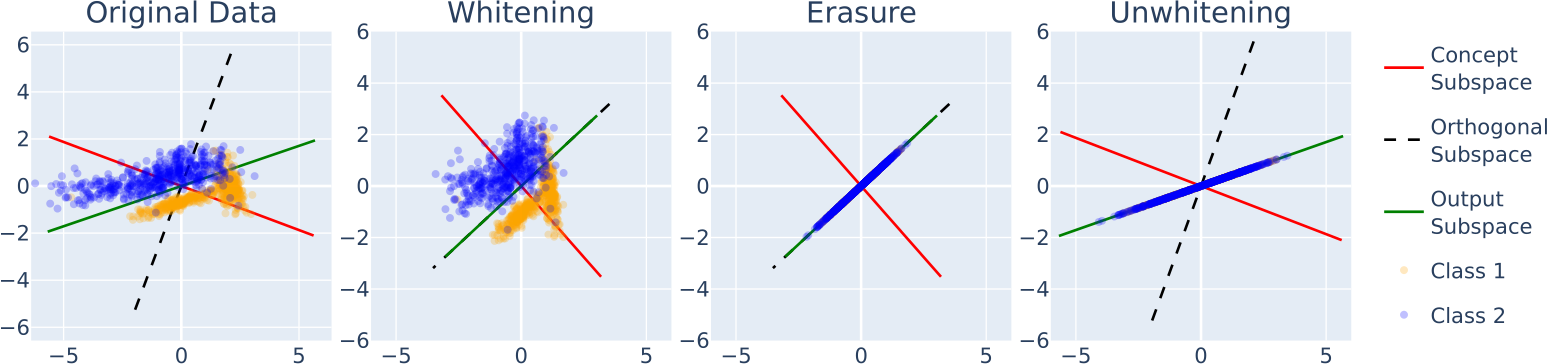
Belrose, N., Schneider-Joseph, D., Ravfogel, S., Cotterell, R., Raff, E., & Biderman, S. (2024). LEACE: Perfect linear concept erasure in closed form. Proceedings of the 37th International Conference on Neural Information Processing Systems.
Benzécri, J.-P. (1976). Sur le codage réduit d’un vecteur de description en analyse des correspondances. Les Cahiers de l’analyse Des Données, 1(2), 127–136.
Bourdieu, P. (1979). La distinction. Critique sociale du jugement. Les ’Editions de Minuit.
Bradley, T.-D., Gastaldi, J. L., & Terilla, J. (2024). The Structure of Meaning in Language: Parallel Narratives in Linear Algebra and Category Theory. Notices of the American Mathematical Society.
Chomsky, N. (1953). Systems of syntactic analysis. Journal of Symbolic Logic, 18(3), 242–256. https://doi.org/10.2307/2267409
Chomsky, N. (1957). Syntactic structures. Mouton; Co.
Chomsky, N. (1995). The minimalist program. MIT Press.
Delétang, G., Ruoss, A., Grau-Moya, J., Genewein, T., Wenliang, L. K., Catt, E., Cundy, C., Hutter, M., Legg, S., Veness, J., & Ortega, P. A. (2023). Neural networks and the chomsky hierarchy. https://arxiv.org/abs/2207.02098
Deleuze, G. (2002). À quoi reconnaît-on le structuralisme ? In D. Lapoujade (Ed.), L’île déserte et autres textes. Textes et entretiens 1953–1974 (pp. 238–269). Minuit.
Ducrot, O. (1968). Le structuralisme en linguistique. In F. Wahl (Ed.), Qu’est-ce que le structuralisme ? Seuil.
Firth, J. R. (1957). A synopsis of linguistic theory, 1930–1955. In Studies in linguistic analysis (pp. 1–32). Blackwell.
Fitch, W. T. (2014). Toward a computational framework for cognitive biology: Unifying approaches from cognitive neuroscience and comparative cognition. Physics of Life Reviews, 11(3), 329–364. https://doi.org/https://doi.org/10.1016/j.plrev.2014.04.005
Gastaldi, J. L. (2021). Why Can Computers Understand Natural Language? Philosophy & Technology, 34(1), 149–214. https://doi.org/10.1007/s13347-020-00393-9
Gastaldi, J. L., Jarvis, S., Seiller, T., & Terilla, J. (2026a). A calculus of types in isbell nuclei. https://arxiv.org/abs/2606.03369
Gastaldi, J. L., Jarvis, S., Seiller, T., & Terilla, J. (2026b). Projective metric geometry of tropical nuclei: Gap matrices, event loci, and order chambers. https://arxiv.org/abs/2601.07900
Gastaldi, J. L., & Pellissier, L. (2021). The Calculus of Language: Explicit Representation of Emergent Linguistic Structure through Type-Theoretical Paradigms. Interdisciplinary Science Reviews, 46(4), 569–590. https://doi.org/10.1080/03080188.2021.1890484
Goldberg, Y., & Levy, O. (2014). word2vec explained: Deriving Mikolov et al.’s negative-sampling word-embedding method. CoRR, abs/1402.3722.
Harris, Z. (1960). Structural linguistics. University of Chicago Press.
Hjelmslev, L. (1928). Principes de grammaire générale (Vol. 16). Bianco Lunos Bogtrykkeri.
Hjelmslev, L. (1935). La catégorie des cas. Wilhelm Fink Verlag.
Hjelmslev, L. (1953). Prolegomena to a theory of language (F. J. Whitfield, Trans.). Waverly Press.
Hjelmslev, L. (1961). Prolegomena to a theory of language (F. J. Whitfield, Trans.). University of Wisconsin Press.
Hjelmslev, L. (1975). Résumé of a Theory of Language. Nordisk Sprog-og Kulturforlag.
Jakobson, R., Fant, G. M., & Halle, M. (1952). Preliminaries to Speech Analysis: The Distinctive Features and Their Correlates. MIT Press.
Landauer, T. K., & Dumais, S. T. (1997). A solution to Plato’s problem: The latent semantic analysis theory of acquisition, induction, and representation of knowledge. Psychological Review, 104(2), 211–240.
Lenci, A. (2008). Distributional semantics in linguistic and cognitive research. Italian Journal of Linguistics, 20(1), 1–31.
Lévi-Strauss, C. (1964). Le cru et le cuit. Plon.
Levy, O., & Goldberg, Y. (2014). Neural word embedding as implicit matrix factorization. Proceedings of the 27th International Conference on Neural Information Processing Systems - Volume 2, 2177–2185.
Manning, C. D., & Schütze, H. (1999). Foundations of statistical natural language processing. MIT Press.
Marcus, S. (1967). Introduction mathématique à la linguistique structurale. Dunod.
Merrill, W. (2021). Formal language theory meets modern NLP. https://arxiv.org/abs/2102.10094
Mikolov, T., Sutskever, I., Chen, K., Corrado, G., & Dean, J. (2013). Distributed representations of words and phrases and their compositionality. CoRR, abs/1310.4546. https://arxiv.org/abs/1310.4546
Mikolov, T., Sutskever, I., Chen, K., Corrado, G., Dean, J., Le, Q., & Strohmann, T. (2013). Learning representations of text using neural networks. Slides, NIPS Deep Learning Workshop.
Miller, G. A., & Charles, W. G. (1991). Contextual correlates of semantic similarity. Language and Cognitive Processes, 6(1), 1–28.
Pantel, P. (2005). Inducing ontological co-occurrence vectors. Proceedings of the 43rd Annual Meeting of the Association for Computational Linguistics (ACL’05), 125–132.
Rubenstein, H., & Goodenough, J. B. (1965). Contextual correlates of synonymy. Communications of the ACM, 8(10), 627–633.
Saussure, F. de. (1959). Course in general linguistics (C. Bally & A. Sechehaye, Eds.; W. Baskin, Trans.). Philosophical Library.
Saussure, F. de. (1972). Cours de linguistique générale. Payot.
Saussure, F. de. (2002). Écrits de linguistique générale (S. Bouquet & R. Engler, Eds.). Gallimard.
Schütze, H., & Pedersen, J. O. (1995). Information retrieval based on word senses. Proceedings of the 4th Annual Symposium on Document Analysis and Information Retrieval, 161–175.
Sennrich, R., Haddow, B., & Birch, A. (2016). Neural machine translation of rare words with subword units. Proceedings of the 54th Annual Meeting of the ACL, 1715–1725.
Spang-Hanssen, H. (1959). Probability and structural classification in language description. Rosenkilde; Bagger.
Spence, D. P., & Owens, K. C. (1990). Lexical co-occurrence and association strength. Journal of Psycholinguistic Research, 19(5), 317–330.
Sperber, D. (1968). Le structuralisme en anthropologie. In F. Wahl (Ed.), Qu’est-ce que le structuralisme ? Seuil.
Vaswani, A., Shazeer, N., Parmar, N., Uszkoreit, J., Jones, L., Gomez, A. N., Kaiser, Ł., & Polosukhin, I. (2017). Attention is all you need. In I. Guyon, U. V. Luxburg, S. Bengio, H. Wallach, R. Fergus, S. Vishwanathan, & R. Garnett (Eds.), Advances in neural information processing systems (Vol. 30). Curran Associates, Inc. https://proceedings.neurips.cc/paper_files/paper/2017/file/3f5ee243547dee91fbd053c1c4a845aa-Paper.pdf
Wahl, F. (1968). La philosophie entre l’avant et l’après du structuralisme. In F. Wahl (Ed.), Qu’est-ce que le structuralisme ? Seuil.